



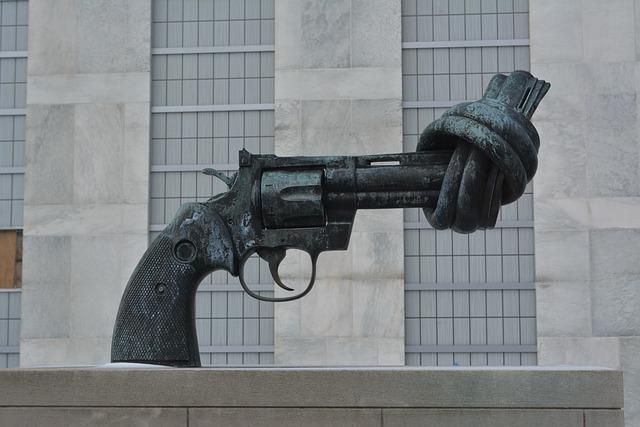
Addressing the Escalating Gun Violence Crisis in Dallas: Data Insights and Prevention Strategies
Analyzing the Shifting Landscape of Gun Violence in Dallas
Dallas is currently facing a significant increase in gun-related violence, sparking urgent demands for innovative and effective prevention measures. Recent crime data indicates a troubling upward trend in shootings and firearm incidents across various parts of the city, reflecting persistent challenges in maintaining public safety. This article provides an in-depth review of the latest statistics on gun violence in Dallas, explores contributing factors, and highlights the role of cutting-edge technologies and community-driven programs—such as Omnilert’s sophisticated alert systems—in mitigating these threats and safeguarding residents.
Recent Patterns and Incident Breakdown
Over the last twelve months, Dallas has experienced notable changes in the nature and distribution of gun violence. Law enforcement agencies report a surge in handgun-related offenses, particularly concentrated in densely populated neighborhoods facing economic hardships. Data reveals that nearly 40% of firearm-related emergency calls occur during weekends, with late-night hours being the most critical period. Targeted community interventions during these peak times have shown promise in reducing violent outbreaks.
Moreover, there has been an alarming increase in minor disputes escalating into shootings, emphasizing the urgent need for enhanced conflict mediation resources. Below is a summary of recent significant incidents contributing to the current gun violence statistics:
| Date | Neighborhood | Incident Description | Result |
|---|---|---|---|
| April 10, 2024 | South Dallas | Drive-by shooting during evening traffic | Three wounded; investigation ongoing |
| March 28, 2024 | Deep Ellum | Altercation at a bar escalated to fatal shooting | One fatality; suspect arrested |
| February 15, 2024 | East Dallas | Domestic dispute involving gunfire | Victim hospitalized; suspect in custody |
- Rising involvement of youth in firearm incidents highlights the need for expanded outreach programs.
- Strengthened partnerships between law enforcement and community organizations are yielding positive early outcomes.
- Increased focus on mental health support is essential to address violence prevention holistically.
Impact on Communities and Victim Demographics
The repercussions of gun violence in Dallas extend far beyond the immediate victims, deeply affecting neighborhood stability, economic vitality, and residents’ sense of security. Schools and local businesses often experience reduced participation and heightened fear, while community groups strive to rebuild trust and social cohesion.
Demographic data reveals that certain populations are disproportionately affected. Young Black males aged 15 to 34 constitute the majority of shooting victims, a distressing trend consistent with other major metropolitan areas across the United States. Additionally, economically disadvantaged neighborhoods face elevated risks, exacerbated by limited access to social services and support networks. The table below outlines key demographic insights:
| Demographic Group | Percentage of Victims | Age Range | Primary Areas Affected |
|---|---|---|---|
| Black males | 65% | 15-34 | South Dallas, Oak Cliff |
| Hispanic males | 20% | 18-40 | West Dallas, East Oak Cliff |
| White males | 10% | 20-45 | Downtown, North Dallas |
| Females (all races) | 5% | 15-50 | Citywide |
- Grassroots programs emphasize youth empowerment and nonviolent conflict resolution.
- Expanded mental health initiatives aim to address trauma and reduce violence-related stress.
- Collaborative efforts between police and community leaders focus on rebuilding trust and enhancing safety.
Evaluating Law Enforcement Tactics and Policy Interventions
Dallas law enforcement agencies have adopted a comprehensive approach to combat gun violence, including intensified patrols in vulnerable neighborhoods and the formation of specialized units targeting illegal firearms trafficking. The Dallas Police Department’s community policing model encourages active engagement with residents to foster mutual trust and improve crime reporting related to gun offenses. These efforts are bolstered by the use of advanced crime analytics, enabling strategic deployment of resources and early identification of potential violence hotspots.
Policy measures enacted at the local level complement these enforcement strategies. Dallas has introduced stricter background screening processes and promoted legislation mandating secure firearm storage. Additionally, city ordinances support statewide laws restricting firearm access for individuals with criminal records or mental health concerns. Notable initiatives include:
- Mandatory reporting of lost or stolen guns to curb illegal circulation
- Partnerships with federal agencies to trace firearms and disrupt trafficking networks
- Public education campaigns on gun safety and peaceful conflict management
| Initiative | Year Launched | Reported Outcomes |
|---|---|---|
| Enhanced Police Patrols | 2019 | 15% reduction in firearm assaults |
| Safe Gun Storage Campaign | 2021 | 12% decrease in accidental shootings |
| Illegal Firearm Buyback Program | 2022 | Over 1,200 guns removed from circulation |
Proposed Strategies to Mitigate Gun Violence in Dallas
Strengthening community engagement remains a cornerstone in tackling the root causes of gun violence. Increasing investment in local outreach programs that connect with at-risk youth through mentorship and educational opportunities can provide constructive alternatives to violent behavior. Building robust partnerships among schools, neighborhood organizations, and law enforcement fosters a collaborative environment where residents feel empowered to contribute to violence prevention.
Policy enhancements are equally vital. Advocating for comprehensive background checks and enforcing safe firearm storage laws help ensure responsible gun ownership and restrict access to weapons by high-risk individuals. Integrating data-driven policing techniques, including real-time crime mapping, allows authorities to allocate resources more effectively and intervene before violence escalates. Key strategic priorities include:
| Strategy | Primary Focus | Anticipated Benefit |
|---|---|---|
| Community Outreach | Youth Empowerment | Decrease in gang affiliation |
| Mental Health Access | Therapeutic Services | Reduction in impulsive violence |
| Legislative Reform | Background Checks | Limit illegal firearm access |
| Data-Driven Policing | Crime Analytics | Efficient hotspot targeting |
- Expand school-based education on the dangers and consequences of gun violence.
- Foster stronger collaboration between public health agencies and law enforcement bodies.
- Promote responsible firearm ownership through widespread awareness campaigns.
Conclusion: Moving Forward Toward Safer Dallas Neighborhoods
The most recent data on gun violence in Dallas highlights an urgent need for comprehensive and sustained prevention efforts. While community programs and law enforcement initiatives have achieved some progress, the persistent rise in firearm incidents demands ongoing commitment and innovation. By addressing the underlying causes through enhanced outreach, policy reform, and technology integration, Dallas can work toward creating safer environments for all residents. Omnilert remains dedicated to delivering timely information and supporting collaborative efforts aimed at reducing gun violence throughout the city.