



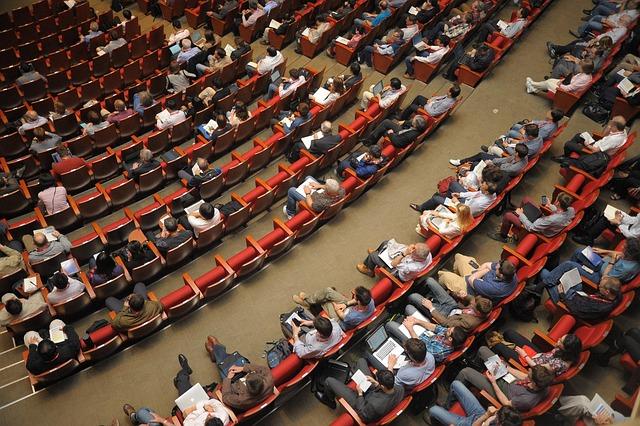
The Republican Party is set to hold its midterm convention in Dallas this year, but the event promises to be anything but conventional. Departing from traditional formats and locations, this gathering reflects deeper strategic shifts within the party as it prepares for the upcoming elections. Houston Public Media examines the reasons behind this unusual choice and what it reveals about the GOP’s evolving priorities heading into a pivotal political moment.
Republicans Choose Dallas for Midterm Convention Breaking Traditional Norms
The Republican Party’s decision to host their midterm convention in Dallas marks a significant departure from established practices. Traditionally, such events were held in politically neutral or symbolically significant cities like Philadelphia or Charlotte, aiming to project unity and historical continuity. However, Dallas represents a strategic choice that underscores the party’s emphasis on energizing its base in key battleground regions, particularly in Texas, a state that has increasingly become a focal point of GOP electoral strategy.
Experts highlight several factors that influenced this unconventional move:
- Geopolitical Importance: Texas’ growing electorate and shifting demographics make it an essential state for midterms.
- Symbolic Messaging: Dallas stands as a symbol of economic strength and conservative values central to the party’s platform.
- Logistical Advantages: The city offers expansive venues and infrastructure conducive to large-scale political gatherings amid ongoing public health considerations.
| Traditional Venues | Dallas Advantages |
|---|---|
| Historic East Coast cities | Proximity to rapidly changing Southwestern voter base |
| Smaller, symbolic venues | Large convention facilities with modern amenities |
| Emphasis on historical continuity | Focus on future-oriented strategies and demographic trends |
Inside the Strategic Motives Behind the Unconventional Location
The decision to host the Republicans’ midterm convention in Dallas reflects a strategic calculus aimed at leveraging the city’s growing political importance and media presence. Positioned in a state that is increasingly seen as a political battleground, Dallas offers the GOP a platform to energize its base in Texas while also courting moderate suburban voters who could swing outcomes in key districts. Moreover, Dallas’ robust infrastructure—ranging from convention centers to international airports—enables the party to orchestrate a large-scale event with amplified visibility and logistical efficiency.
Analysts highlight several motives behind this unconventional choice:
- Symbolic influence: Showcasing Texas as a cornerstone of GOP strength amidst shifting demographics.
- Media magnetism: Capitalizing on Dallas’s status as a media hub to maximize coverage and messaging reach.
- Resource optimization: Utilizing local fundraising networks and volunteer bases to boost campaign momentum.
| Strategic Aspect | Implication |
|---|---|
| Geographic Placement | Targets emerging swing areas in Texas suburbs |
| Media Access | Ensures heightened national and local coverage |
| Voter Engagement | Mobilizes grassroots support through regional networks |
How the Dallas Venue Shapes GOP Messaging and Voter Engagement
The choice of Dallas as the rallying point for the GOP’s midterm convention is a calculated move that extends beyond geographic convenience. The city’s dynamic blend of suburban growth, diverse demographics, and economic vitality offers a powerful backdrop for Republicans to recalibrate their message to resonate with both their base and swing voters. Dallas’s burgeoning tech industry and booming job market enable the party to spotlight issues such as innovation, economic freedom, and workforce development, aligning with core Republican values while appealing to younger, more urban-leaning constituents. This strategic positioning underscores a broader attempt to reshape the party’s image from traditional conservatism towards a forward-looking, opportunity-focused agenda.
Moreover, the Dallas venue acts as a physical and symbolic gateway to the Southwestern states, crucial battlegrounds characterized by shifting voter dynamics and increasing minority populations. GOP leaders are leveraging this setting to enhance grassroots engagement through:
- Localized Outreach: Tailoring messages that address regional concerns such as border security, energy independence, and education reform.
- Innovative Digital Campaigns: Integrating cutting-edge social media strategies to mobilize younger voters and outreach initiatives in diverse communities.
- Community Events: Hosting forums and town halls that facilitate direct dialogue between candidates and constituents, fostering trust and voter enthusiasm.
| Key Voter Concerns in Dallas | GOP Messaging Focus |
|---|---|
| Economic Opportunity | Promoting small business growth |
| Education Quality | Parental choice and school funding |
| Border Security | Stronger enforcement policies |
| Healthcare Access | Market-based solutions |
What This Means for Republican Campaign Tactics Moving Forward
The recent unconventional approach at the Republican midterm convention signals a strategic pivot, emphasizing a break from traditional campaign norms. This recalibration includes a heightened focus on grassroots mobilization, leveraging social media’s rapid communication channels, and prioritizing themes that resonate strongly with the party’s base, such as economic nationalism and election integrity. Campaigns are expected to become more localized, with tailored messaging that speaks directly to the concerns of swing districts, rather than broadly nationalized talking points.
Moreover, with voter engagement increasingly fragmented, the GOP is likely to invest in innovative voter outreach technologies and data analytics to optimize turnout efforts. The party may also adopt a more aggressive stance on controlling the narrative through carefully curated events and rapid response teams. This tactical evolution represents a blend of confrontation and consolidation, aiming to energize loyal supporters while attempting to neutralize moderate critics within and outside the party.
| Conventional Tactics | Emerging Strategies |
|---|---|
| Mass rallies with standard talking points | Targeted local community events |
| Broad media advertising | Hyper-focused social media campaigns |
| Traditional voter outreach | Data-driven digital engagement |
| General platforms | Issue-specific messaging |
The Way Forward
As Republicans convene in Dallas for a midterm gathering that defies traditional norms, the event underscores the party’s evolving strategy and internal dynamics ahead of crucial elections. This unconventional convention not only reflects the shifting priorities within the GOP but also signals how political organizations are adapting to changing landscapes in American politics. Observers will be watching closely to see how the outcomes here influence the party’s direction and electoral fortunes in the months to come.