



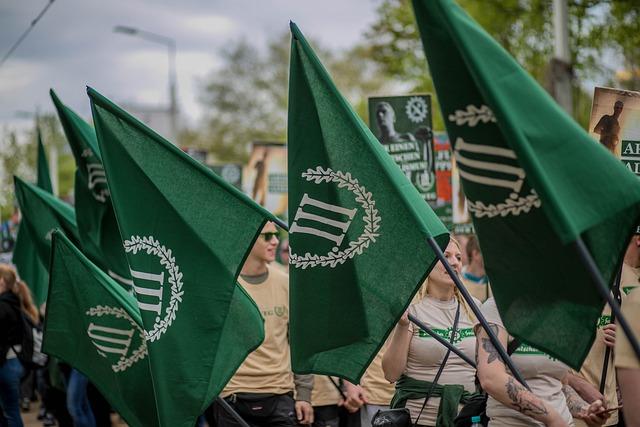
As divisions within the American right continue to deepen, a notable shift is emerging: key far-right figures appear to be distancing themselves from former President Donald Trump and his close ally, Senator JD Vance. This realignment signals a potential reshaping of conservative politics, as far-right activists and influencers reassess their leadership options ahead of upcoming elections. Politico’s latest analysis explores the factors driving this growing disillusionment and what it could mean for the future of the movement.
The Far Right’s Shift Away from Trump and Its Implications for Conservative Politics
Recent developments indicate a growing disenchantment within far-right circles towards figures like Donald Trump and JD Vance, signaling a potential recalibration of loyalties and strategic priorities. This shift is not merely a rejection of personalities but reflects deeper frustrations with the perceived stagnation in advancing a more radical conservative agenda. As grassroots activists and influential commentators distance themselves, the far right appears to be searching for new leaders who champion a more uncompromising, ideologically pure platform.
These realignments carry significant implications for the broader conservative landscape, especially heading into upcoming election cycles. Key consequences include:
- Fragmentation of the base: Without a unifying figure, far-right voters may splinter, weakening their overall influence.
- Rise of insurgent candidates: New contenders with sharper rhetoric and no establishment ties could reshape Republican primaries.
- Policy shifts: A push towards more extreme positions on immigration, the economy, and culture wars could redefine party priorities.
| Potential Impact | Effect on GOP |
|---|---|
| Voter Engagement | Uncertainty may lower turnout. |
| Party Unity | Increased factionalism. |
| Campaign Messaging | More polarizing slogans. |
JD Vance’s Struggle to Maintain Far Right Support Amid Growing Discontent
JD Vance, once heralded as a promising figure within far-right circles, is increasingly finding himself at odds with his base. His attempts to moderate his rhetoric in an effort to appeal to a broader electorate have alienated the core supporters who propelled him into the spotlight. This delicate balancing act has sparked frustration among key far-right groups, who view Vance’s shifts as signs of political expediency rather than genuine conviction.
Key grievances fueling discontent include:
- Perceived abandonment of Trump-style populism: Vance’s distancing from Trump’s most controversial tactics has led to accusations of betrayal.
- Policy inconsistencies: Core supporters highlight a lack of clear stances on immigration and economic nationalism.
- Engagement with mainstream media: His willingness to participate in interviews with traditionally liberal outlets is seen as compromising core far-right values.
| Issue | Far-Right Criticism | Vance’s Response |
|---|---|---|
| Trump Association | Seen as distancing too much | Claims pragmatic approaches necessary |
| Policy Clarity | Accused of vagueness | Advocates for bipartisan solutions |
| Media Strategy | Viewed as selling out | Emphasizes reaching wider audiences |
Analyzing the Impact of the Far Right’s Realignment on Upcoming Elections
The recent shift within far-right factions signals a strategic recalibration that could redefine political dynamics in upcoming election cycles. Disenchantment with former President Trump and skepticism toward figures like JD Vance are prompting these groups to seek new leadership and messaging strategies that better align with their evolving priorities. This realignment is marked by a push for candidates who emphasize a more aggressive stance on cultural and economic issues, sidelining those deemed insufficiently radical or too entangled with traditional conservative frameworks.
Key elements influencing this transformation include:
- Grassroots momentum: Empowering local organizers over national political elites.
- Ideological purity: Favoring unambiguous, hardline policies over moderate or ambiguous rhetoric.
- Media strategy: Leveraging alternative platforms to bypass mainstream media narratives.
| Impact Area | Effect on Elections |
|---|---|
| Candidate Selection | More extreme nominees aligned with far-right ideals |
| Voter Engagement | Increased turnout among radicalized bases |
| Party Cohesion | Fragmentation of traditional conservative coalitions |
| Electoral Outcomes | Potential shifts in battleground states with polarizing campaigns |
Strategic Recommendations for Republicans Navigating a Post-Trump Political Landscape
As the influence of Donald Trump wanes within the far-right ecosystem, Republican strategists face a pivotal moment to redefine their approach to grassroots mobilization and voter engagement. It is imperative to pivot away from personality-centric campaigns toward a platform that resonates with conservative values while embracing demographic shifts. This involves crafting messaging that is both forward-looking and anchored in policy specifics, addressing the growing electorate’s concerns about economic opportunity, healthcare, and national security with clarity and conviction.
To capitalize on this transitional phase, GOP leaders should consider the following strategic imperatives:
- Invest in Local Infrastructure: Revitalize state and local party organizations to build a robust grassroots network capable of driving turnout independently of high-profile endorsements.
- Broaden Coalition Building: Engage suburban and younger voters by aligning on pragmatic solutions rather than ideological purity tests.
- Fortify Digital Campaign Strategies: Counter misinformation effectively while leveraging emerging platforms where younger voters are increasingly present.
| Strategic Element | Recommended Action | Expected Impact |
|---|---|---|
| Candidate Recruitment | Prioritize charisma combined with policy expertise | Improved voter trust and wider appeal |
| Policy Focus | Emphasize economic pragmatism and public safety | Broaden base beyond traditional conservatives |
| Communication | Adopt data-driven and targeted outreach | Increased engagement and message resonance |
Wrapping Up
As the far right recalibrates its political priorities, the apparent distancing from Donald Trump and figures like JD Vance signals a significant shift within the movement. Whether this marks a genuine break or a strategic repositioning remains to be seen, but it is clear that the traditional anchors of far-right support are evolving. Future developments will reveal how these changes reshape not only intraparty dynamics but also the broader American political landscape.