
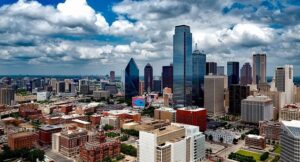



In a political landscape long dominated by conservative values, Texas is undergoing a significant transformation. Once a steadfast Republican stronghold, the state has seen a noticeable shift toward Democratic influence, signaling potential changes in the national electoral map. This article explores the factors behind Texas’s evolving political identity, examining demographic trends, urbanization, and grassroots activism that have contributed to what some now call the state’s blue wave. Through detailed analysis, we unpack how Texas turned blue and what this means for future elections and American politics at large.
Changing Demographics Redefine Texas Political Landscape
The transformation of Texas from a reliably red state to a competitive political battleground is largely attributed to its evolving demographics. Rapid population growth driven by immigration, urbanization, and the expansion of younger, more diverse generations has reshaped the electorate. Metropolitan areas such as Houston, Dallas, and Austin have seen surges in Hispanic, Black, and Asian communities — groups who increasingly align with progressive policies. This demographic shift has challenged the traditional conservative stronghold, injecting new energy into local and state elections.
Key demographic changes impacting Texas politics include:
- Urbanization: Major cities have grown by over 20% in the past decade, concentrating voters with liberal tendencies.
- Hispanic Influence: Now the fastest-growing ethnic group, accounting for nearly 40% of the state’s population.
- Youth Voters: Individuals under 30 have expanded their electoral presence, favoring candidates focused on climate change, social justice, and education reform.
- Migration from Blue States: An influx of residents from California and New York brings diverse political views and activism.
| Demographic Group | Population Growth (2010-2020) | Political Trend |
|---|---|---|
| Hispanic | 45% | Leaning Blue |
| Urban Millennials | 30% | Strongly Blue |
| White Suburban | 15% | Shifting Toward Blue |
| Rural Residents | 5% | Remain Red |
Urbanization and Its Role in Shifting Voter Preferences
Texas’s rapid urban expansion has become a defining factor in the state’s evolving political landscape. Cities like Austin, Dallas, Houston, and San Antonio are experiencing unprecedented growth, attracting a younger, more diverse population whose voting patterns differ significantly from traditional rural strongholds. This demographic transformation has fueled a gradual but noteworthy shift toward progressive policies and candidates, challenging the conservative dominance that Texas was once known for. The influx of professionals, immigrants, and college-educated voters contributes to a dynamic electoral base that values social equity, environmental issues, and inclusive governance.
Several key aspects underpin this trend:
- Diversity Increase: Urban centers are becoming melting pots of ethnicities and cultures, leading to broader support for candidates advocating civil rights and immigration reform.
- Younger Electorate: Millennials and Gen Z voters in cities prioritize climate change, affordable housing, and healthcare access.
- Economic Shifts: The rise of tech industries and creative economies attracts workers with progressive ideals.
- Connectivity: Enhanced access to social media and information shapes attitudes toward national politics, encouraging political activism.
| Urban Area | Population Growth (%) | Recent Voting Trend |
|---|---|---|
| Austin | 28% | Leaning Blue |
| Houston | 19% | Leaning Blue |
| Dallas | 22% | Leaning Blue |
| San Antonio | 17% | Moderate Shift |
Strategic Mobilization Drives Democratic Gains in Key Districts
Grassroots organizations orchestrated extensive voter outreach campaigns, transforming previously overlooked precincts into pivotal battlegrounds. By fostering strong community connections and delivering tailored messages, activists capitalized on demographic shifts and growing political awareness. Key strategies included:
- Multi-lingual canvassing to engage diverse populations
- Mobile voting assistance targeting first-time and elderly voters
- Digital mobilization efforts tailored to younger voters and social media users
These coordinated efforts yielded measurable results, flipping several districts that were once strongholds for the opposition. The table below highlights the voter turnout increase and corresponding party gains in select districts during recent elections:
| District | Turnout Increase | Party Swing (%) | Democratic Seat Gained |
|---|---|---|---|
| Dallas-15 | 18% | 7.3% | Yes |
| Austin-25 | 22% | 9.1% | Yes |
| Houston-18 | 15% | 6.5% | Yes |
Policy Recommendations to Sustain Political Momentum in Texas
To capitalize on recent political shifts, lawmakers and community leaders in Texas must prioritize expanding voter engagement initiatives, especially in historically marginalized communities. This includes investing in civic education programs and removing barriers to voter registration. Equally vital is the enactment of legislation aimed at enhancing electoral transparency and protecting voting rights against restrictive measures. Establishing partnerships between grassroots organizations and state institutions can ensure sustained momentum by fostering trust and accessibility at the local level.
Moreover, economic policies that address inequality and improve public services serve as crucial pillars for maintaining broad-based support. Supporting affordable housing, healthcare access, and education funding will resonate with diverse constituencies and solidify political gains. The following table summarizes key policy areas and their expected impacts in maintaining Texas’s evolving political landscape:
| Policy Area | Action | Expected Outcome |
|---|---|---|
| Voter Engagement | Expand registration drives | Higher turnout, diverse electorate |
| Voting Rights | Strengthen legal protections | Reduced disenfranchisement |
| Economic Equity | Increase social spending | Improved community support |
Wrapping Up
As Texas continues to evolve politically, the factors that contributed to its shift toward the Democratic Party underscore a broader transformation reshaping American electoral dynamics. From demographic changes and urban growth to shifting voter priorities, the Lone Star State’s turn blue signals not just a regional realignment but a potential bellwether for national politics in the years to come. Observers will be closely watching whether this new trajectory holds steady or faces challenges amid the ever-changing American political landscape.