



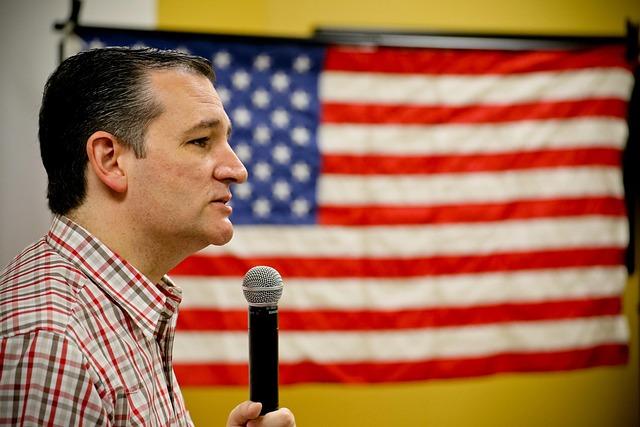
As concerns mount over a potential Democratic surge in the upcoming midterm elections, Texas has emerged as a focal point at this year’s Republican National Convention. The state’s shifting political landscape and its pivotal role in national electoral strategies have put GOP leaders on high alert, underscoring the stakes for both parties. The New York Times explores how fears of a Democratic wave are thrusting Texas into the spotlight, shaping the convention’s messaging and campaign priorities.
Fears of Democratic Surge Intensify Political Stakes in Texas
With Texas emerging as a critical battleground, GOP leaders are rallying to solidify their base amid growing concerns about increased Democratic momentum in the state. Recent demographic shifts and energized voter turnout have sparked anxiety within Republican circles, prompting intensified efforts to appeal to moderate voters and stem the rising tide. Key strategies focus on bolstering grassroots campaigns, emphasizing conservative economic policies, and mobilizing rural communities that have traditionally leaned Republican.
Political strategists highlight several factors contributing to this elevated tension:
- Suburban districts showing increased Democratic support in recent elections
- Youth and Latino voter engagement rising sharply
- Controversial state legislation driving national attention and activism
| Key Metric | 2016 | 2022 |
|---|---|---|
| Democratic Voter Turnout | 43% | 58% |
| Latino Population Growth | 39% | 44% |
| Suburban Districts Flipped | 2 | 7 |
Strategic Moves by GOP to Secure Key Battleground State
In an aggressive move to solidify their hold on Texas, GOP strategists are intensifying efforts to turn the state into a bulwark against what they perceive as an inevitable Democratic surge. The party has funneled significant resources into grassroots organizing and targeted voter outreach in critical suburban districts, where demographic shifts have tilted the balance of power. By emphasizing local issues such as border security and economic growth, the GOP aims to galvanize their base while appealing to swing voters increasingly anxious about national political changes.
Key initiatives include:
- Enhanced digital campaigns designed to engage younger and minority voters with tailored messaging
- Mobilization of volunteer networks to increase turnout in early voting and on Election Day
- Strategic advertising buys in media markets with high electoral impact
| Strategy | Focus Area | Impact Goal |
|---|---|---|
| Grassroots Activation | Suburban Districts | Raise voter turnout by 15% |
| Targeted Advertising | Major Cities | Shift undecided voters by 5% |
| Digital Engagement | Youth and Minorities | Increase youth registration by 10% |
Analyzing Voter Trends and Demographic Shifts Impacting the Race
Recent electoral data reveals significant shifts in Texas’s voter demographics, serving as a bellwether for the upcoming midterm elections. Key trends include a growing turnout among younger voters and increased participation from Hispanic communities, traditionally considered Democratic strongholds. However, GOP strategists are cautiously optimistic, noting gains in suburban areas and among working-class voters who resonate with conservative economic policies. These evolving dynamics have prompted Republican leaders to recalibrate their messaging, emphasizing a centrist approach to appeal to a broader electorate.
The changing voter landscape is further complicated by urban-rural divides that remain stark but are gradually narrowing in some contested districts. To illustrate these shifts, consider the following table summarizing recent voter turnout and preferences across demographic segments:
| Demographic Group | 2020 Turnout % | 2024 Projected Turnout % | GOP Support Change |
|---|---|---|---|
| Hispanic Voters | 45% | 52% | +5% |
| Young Voters (18-29) | 40% | 47% | +3% |
| Suburban Women | 55% | 60% | +7% |
| Rural Voters | 70% | 68% | -2% |
These figures underscore a nuanced landscape where demographic shifts both challenge and create opportunities for the GOP. As Texas decisively moves towards the center, party strategists must balance conservative principles with the evolving demands of a more diverse electorate to stave off the anticipated Democratic wave.
- Suburban growth is reshaping traditional voting blocs.
- Increased Hispanic engagement signals potential battleground voters.
- Youth mobilization could tip the scales in key districts.
- Targeted outreach remains critical for GOP survival.
Recommendations for GOP Messaging and Engagement in Texas
To effectively engage Texas voters amid mounting concerns of a Democratic surge, G.O.P. leaders must pivot toward a messaging strategy that balances traditional conservative values with pragmatic appeals to key demographic groups. Emphasizing economic growth, border security, and education reform will resonate strongly, as these issues consistently rank high among Texas voters’ priorities. Additionally, refined outreach to suburban moderates and Hispanic communities—historically underserved by the party—could prove decisive.
Key recommendations for campaign emphasis include:
- Economic Optimism: Highlight plan specifics that promise job creation and small business support.
- Community-Centered Security: Advocate for policy solutions that ensure safe neighborhoods while respecting civil liberties.
- Culturally Competent Engagement: Deploy messaging that speaks authentically to Texan heritage and the aspirations of diverse populations.
| Target Group | Priority Messaging | Engagement Method |
|---|---|---|
| Suburban Voters | Economic security & education quality | Town halls & social media campaigns |
| Hispanic Communities | Opportunity & cultural respect | Bilingual outreach & community events |
| Rural Conservatives | Agricultural support & energy independence | Radio spots & local endorsements |
Concluding Remarks
As the Republican National Convention unfolds, Texas stands as a critical battleground emblematic of broader national anxieties about the potential for a Democratic surge in forthcoming elections. Party leaders and strategists alike are closely watching the state’s shifting political landscape, recognizing that the outcome here could signal the direction of the national political climate. With stakes this high, Texas is poised to remain in the political spotlight long after the convention concludes, serving as a bellwether for the challenges and opportunities facing the GOP in the months ahead.