

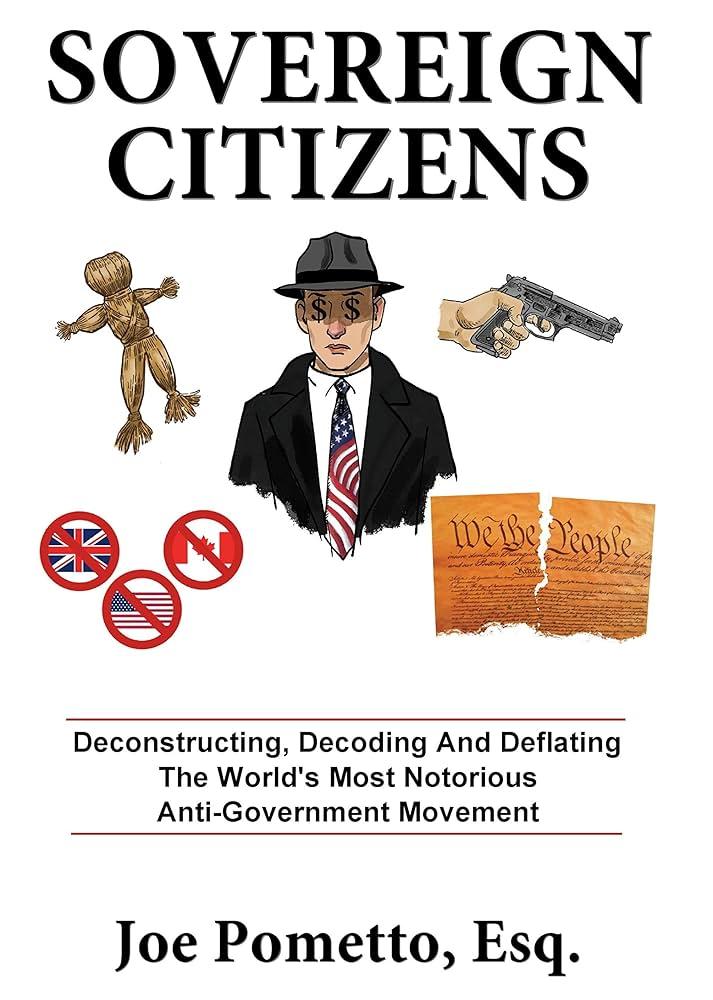
Understanding the Sovereign Citizen Movement: Origins, Beliefs, and Community Impact
The Origins and Evolution of the Sovereign Citizen Movement
The sovereign citizen movement is a loosely connected network of individuals who fundamentally reject the authority of government institutions, disputing the validity of laws, regulations, and judicial decisions. This ideology emerged in the United States during the late 20th century, rooted in a blend of anti-government attitudes, conspiracy theories, and misinterpretations of legal principles. Initially linked to tax protest groups in the 1970s and 1980s, the movement has since expanded, fueled by the proliferation of online forums and social media platforms that spread its doctrines globally.
Adherents often claim that they are exempt from government jurisdiction, asserting personal sovereignty that places them above federal, state, and local laws. This belief system challenges the legitimacy of established legal frameworks and civic duties, creating friction with authorities. The movement’s growth has been particularly notable in Texas, including the Dallas metropolitan area, where law enforcement agencies have reported increasing encounters with sovereign citizen adherents.
| Key Phase | Significant Development | Period |
|---|---|---|
| Tax Resistance Roots | Legal challenges targeting IRS authority | 1970s-1980s |
| Ideological Expansion | Dissemination of sovereignty theories and literature | 1990s |
| Digital Era Growth | Online communities amplify movement reach | 2000s-Present |
Fundamental Beliefs and Legal Misunderstandings Behind Sovereign Citizen Actions
At the core of the sovereign citizen ideology lies a profound distrust of government combined with widespread legal misconceptions. Members often argue that they can opt out of laws, taxes, and court rulings by distinguishing their “natural person” identity from the “legal person” recognized by the government. This distinction, they claim, exempts them from compliance with statutes and regulations.
Common themes within their belief system include:
- Denial of government legitimacy: Rejecting the authority of federal, state, and local governments, often refusing to obtain driver’s licenses or pay taxes.
- Reliance on pseudo-legal documents: Utilizing self-styled “common law courts,” fabricated liens, and unconventional legal filings to dispute official actions.
- Misinterpretation of constitutional and legal language: Misusing outdated or incorrect interpretations of treaties and laws to claim immunity from government oversight.
| Belief | Common Misconception | Legal Reality |
|---|---|---|
| Laws require personal consent | Legal obligations are voluntary agreements | All citizens are legally bound regardless of consent |
| Government functions as a corporation | The U.S. operates as a corporate entity | The U.S. is a sovereign nation governed by constitutional law |
| Driver’s licenses are unnecessary | Licenses are optional and unenforceable | Licensing is mandatory for public safety and legal driving |
Consequences of Sovereign Citizen Ideology on Public Safety and Law Enforcement
Law enforcement agencies across the country, including those in Texas, face unique challenges when interacting with sovereign citizens. The refusal of these individuals to acknowledge legal authority often results in confrontations, legal obstructions, and resource-intensive disputes. Their tactics—such as filing fraudulent liens or ignoring court orders—can clog judicial systems and complicate enforcement efforts.
Some of the primary impacts include:
- Elevated risk of violent or hostile encounters during routine stops or legal proceedings.
- Increased administrative burden due to frivolous legal filings and paperwork.
- Heightened safety concerns for officers stemming from unpredictable and defiant behavior.
- Obstacles in enforcing tax laws, licensing requirements, and court mandates.
| Area Affected | Challenges Encountered | Impact on Safety and Order |
|---|---|---|
| Judicial System | Surge in bogus liens and legal claims | Case backlogs and increased litigation expenses |
| Police Operations | Defiant behavior and refusal to comply | Injuries to officers and extended detentions |
| Community Stability | Disruption of public order and noncompliance | Confusion among residents and diminished trust in institutions |
Approaches for Authorities to Manage and Reduce Sovereign Citizen-Related Issues
Addressing the challenges posed by sovereign citizens requires a comprehensive strategy that balances enforcement with education and community engagement. Law enforcement officers benefit from specialized training that equips them to identify sovereign citizen behaviors and de-escalate potentially volatile situations. Collaboration with legal professionals, social services, and federal agencies enhances the ability to respond effectively and address the root causes of the movement’s appeal.
Effective tactics include:
- Providing targeted training programs for officers on sovereign citizen ideology and tactics.
- Establishing rapid response protocols tailored to incidents involving sovereign citizens.
- Engaging communities to dispel myths and reduce radicalization through outreach initiatives.
- Coordinating intelligence sharing among local, state, and federal agencies to monitor threats.
| Strategy | Objective | Anticipated Result |
|---|---|---|
| Specialized Officer Training | Improve preparedness and response | Fewer confrontations and safer interactions |
| Community Outreach | Build trust and counter misinformation | Greater public cooperation and reduced radicalization |
| Interagency Cooperation | Enhance information sharing | Better situational awareness and coordinated responses |
Conclusion: Navigating the Complexities of the Sovereign Citizen Movement
Gaining insight into the motivations and beliefs of sovereign citizens is essential for law enforcement, policymakers, and the public to effectively address the challenges they present. While their ideology is often rooted in skepticism toward government authority, it can lead to significant legal conflicts and safety risks. As the movement continues to evolve, ongoing education, strategic law enforcement training, and community engagement remain vital tools in mitigating its impact and preserving public order across regions like Dallas and beyond.