


Amazon’s Drone Delivery Surge Sparks Debate in Texas Suburb
Drone Deliveries Skyrocket in Texas Neighborhood, Stirring Resident Concerns
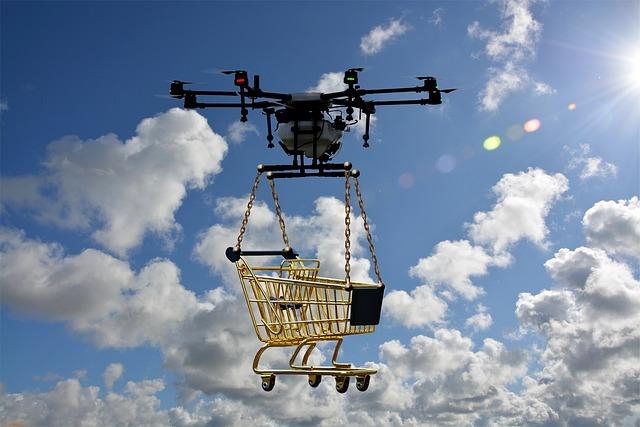
In a once-tranquil Texas suburb, the skies have become crowded with a swarm of Amazon delivery drones, marking a dramatic shift in local daily life. These autonomous flying vehicles now frequently traverse the neighborhood, transporting everything from groceries to larger parcels. While the speed and convenience of drone deliveries are undeniable, many residents are voicing unease about the constant drone presence overhead. Issues such as noise disturbances, privacy intrusions, and safety hazards have become hot topics among the community.
Main concerns raised by locals include:
- Possible breaches of privacy due to drone-mounted cameras scanning private properties
- Persistent drone noise disrupting the peaceful environment
- Heightened risk of accidents involving drones, pets, and pedestrians
- Insufficient communication and transparency from Amazon regarding drone flight schedules and routes
| Issue | Resident Comments |
|---|---|
| Privacy | “I worry about what these drones might be capturing on camera.” |
| Noise | “The constant drone hum makes it hard to enjoy my backyard.” |
| Safety | “What if a drone crashes and injures someone?” |
Emerging Safety and Privacy Challenges Amid Drone Proliferation
The rapid increase in drone activity over residential zones has amplified concerns about both safety and privacy. These unmanned aerial vehicles (UAVs) navigating through densely populated streets introduce new hazards, such as potential collisions with children playing outside, pets, or other airborne objects like birds. Additionally, the possibility of technical malfunctions leading to drone crashes on private property or public spaces has alarmed many residents and emergency responders alike.
Privacy experts highlight several critical issues:
- Unauthorized video or image capture of private backyards and windows
- Risks related to data security and misuse of collected footage
- Absence of explicit consent protocols for residents under drone flight paths
In response, local authorities are considering stronger privacy safeguards, including the establishment of no-fly zones and stricter data protection laws to ensure residents’ rights are respected while embracing technological progress.
Calls for Enhanced Drone Regulations and Operational Transparency
Following numerous reports of drone congestion in suburban airspace, industry specialists and regulatory bodies are urging for more comprehensive rules governing drone operations. Current Federal Aviation Administration (FAA) policies are viewed as insufficiently detailed to handle the complexities of widespread drone delivery, especially in residential neighborhoods.
Experts recommend the following measures:
- Implementation of clearly defined flight corridors to minimize airspace conflicts
- Mandatory certification upgrades for drone operators and enhanced registration systems to improve accountability
- Increased transparency from companies like Amazon regarding drone traffic data to aid public safety monitoring
| Proposed Regulation | Expected Benefit |
|---|---|
| Geo-fencing Technology | Prevents drones from entering restricted or sensitive areas |
| Real-time Air Traffic Management | Reduces risk of mid-air collisions and congestion |
| Compulsory Incident Reporting | Enhances safety oversight and public trust |
Strategies for Harmonizing Technological Progress with Neighborhood Wellbeing
To successfully integrate drone delivery systems into suburban environments, it is essential to develop policies that safeguard residents’ quality of life while supporting innovation. Open communication channels between technology providers like Amazon and local communities can foster mutual understanding and collaborative problem-solving. For example, designating specific drone flight paths and restricting operations during peak neighborhood activity hours can alleviate noise and privacy concerns.
Incorporating community input into the ongoing refinement of drone technology ensures that advancements align with public interests. Investment in quieter propulsion systems and robust fail-safe features can further minimize disturbances and accidents. The table below contrasts the priorities of drone developers with those of community members, highlighting areas where compromise is vital:
| Focus Area | Drone Developers’ Goals | Community Expectations |
|---|---|---|
| Safety | Advanced obstacle detection and avoidance | Protection from accidents and injuries |
| Noise | Development of quieter rotor technology | Reduced auditory disruption |
| Privacy | Encryption and secure data handling | Safeguarding personal information |
| Convenience | Rapid and reliable delivery services | Minimal interference with daily routines |
Conclusion: Navigating the Future of Drone Deliveries in Residential Areas
As Amazon continues to expand its drone delivery network, the experiences of this Texas suburb highlight the complex challenges of merging cutting-edge technology with community life. While the promise of swift, efficient package delivery is appealing, it is clear that addressing residents’ concerns about privacy, noise, and safety is crucial. The manner in which Amazon, regulators, and local governments collaborate to resolve these issues will play a pivotal role in shaping the nationwide landscape of drone logistics in the years ahead.