

Republican Midterm Convention: A Spotlight on Trump’s Dominance and Its Political Ramifications
Trump’s Central Role Shapes GOP Midterm Convention
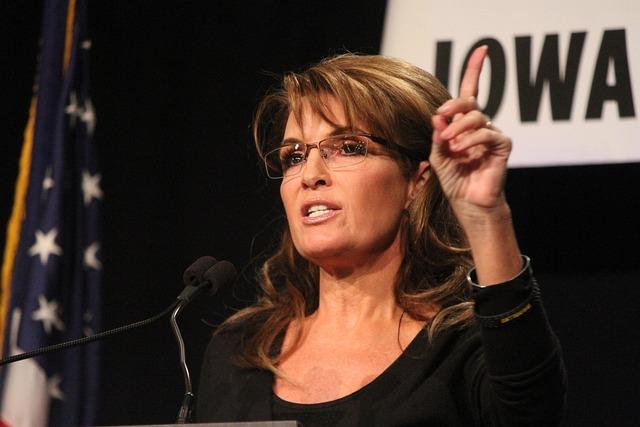
The recent Republican midterm convention unmistakably revolved around former President Donald Trump, highlighting his sustained sway over the party’s direction. Rather than serving as a forum for diverse policy debates, the gathering functioned largely as a showcase for Trump’s agenda and influence. His endorsements, policy priorities, and rhetoric were consistently amplified, signaling that the GOP’s immediate trajectory remains closely linked to his leadership and vision.
Notable takeaways from the convention include:
- Strong endorsement of Trump’s “America First” policies and conservative judicial nominations
- Firm opposition to Democratic legislative efforts, framed as a continuation of Trump-era political battles
- Candidate endorsements closely aligned with Trump’s ideological framework
| Policy Area | Trump’s Impact |
|---|---|
| Immigration | Reaffirmation of stringent border security measures |
| Economic Strategy | Emphasis on tax reductions and deregulation |
| Election Oversight | Heightened calls for audits and electoral reforms |
Consequences of a Trump-Centric Convention for GOP Unity and Strategy
By centering the midterm convention almost exclusively on Donald Trump, the Republican Party risks deepening internal divisions and narrowing its electoral appeal. This singular focus may alienate moderate Republicans and independent voters who favor a more inclusive and varied platform. The convention’s tone suggests a shift away from coalition-building toward prioritizing allegiance to one dominant figure, which could limit the party’s flexibility in addressing the diverse concerns of the American electorate.
This approach also influences the party’s internal dynamics and campaign strategies in several ways:
- Candidate Alignment: Prospective GOP candidates face pressure to conform to Trump’s agenda, potentially stifling policy innovation.
- Resource Distribution: Campaign funds and media efforts are concentrated on energizing Trump’s base, possibly at the expense of swing districts requiring tailored messaging.
- Party Cohesion: Dissenting voices within the party risk marginalization, as opposition to the Trump-focused narrative may lead to reduced influence.
| Dimension | Effect |
|---|---|
| Party Unity | Heightened polarization and factionalism |
| Strategic Focus | Prioritizing core base mobilization over broad voter outreach |
| Messaging | Reinforcement of Trump-centric narratives |
| Electoral Risks | Potential vulnerability in competitive districts |
Obstacles for GOP Candidates Amid Trump’s Overarching Influence
Republican candidates face a complex balancing act as they navigate Trump’s dominant presence. They must appeal to his loyal supporters while also articulating their own visions for the party’s future. Straying from Trump’s rhetoric risks losing core voters, yet unwavering loyalty can alienate moderates and independents. This tension often sidelines substantive policy discussions in favor of allegiance signaling.
- Voter Loyalty: A significant portion of Republican voters remain steadfastly loyal to Trump, shaping candidate platforms.
- Media Spotlight: News coverage disproportionately centers on Trump’s statements, overshadowing other contenders.
- Primary Pressures: Candidates perceived as insufficiently supportive of Trump face steep primary challenges.
- Fundraising Advantages: Trump-endorsed candidates typically secure greater financial backing, creating disparities.
| Challenge | Effect on Candidates |
|---|---|
| Trump’s Endorsement Influence | Can decisively impact campaign success |
| Base Expectations | Restricts policy flexibility |
| Media Coverage | Focuses attention on Trump over alternatives |
| Fundraising Imbalance | Unequal access to campaign resources |
Strategies for Expanding GOP Appeal Beyond the Trump Core
For sustained success, the Republican Party must broaden its appeal beyond the fervent Trump base that has dominated recent political cycles. This requires embracing pragmatic policies that address pressing issues such as affordable healthcare, economic growth, and environmental sustainability. Moving away from divisive rhetoric toward inclusive, solution-oriented initiatives can attract suburban voters, independents, and younger demographics.
Party leadership should also prioritize cultivating a diverse slate of candidates who reflect America’s evolving demographics. Supporting emerging leaders from varied backgrounds and regions will help engage communities historically underrepresented in GOP ranks. Strengthening grassroots outreach and enhancing digital engagement are essential to mobilize new voters effectively. Key focus areas include:
| Focus Area | Recommended Actions |
|---|---|
| Healthcare | Advocate for affordable, accessible coverage options |
| Economic Development | Encourage entrepreneurship and workforce training |
| Climate and Environment | Invest in clean energy and innovative technologies |
| Diversity and Inclusion | Promote diverse candidates and community engagement |
Conclusion: Navigating the GOP’s Trump-Centric Path Forward
As the Republican Party rallies ahead of the midterm elections, the convention’s pronounced focus on Donald Trump highlights his persistent dominance within the GOP. While this strategy energizes a loyal base, it also presents challenges in appealing to a broader electorate. Republican leaders must carefully balance allegiance to Trump with efforts to expand their reach if they hope to secure electoral victories in November. Ultimately, the midterm convention reflects a party deeply intertwined with a singular figure, shaping its identity and prospects in the months ahead.