



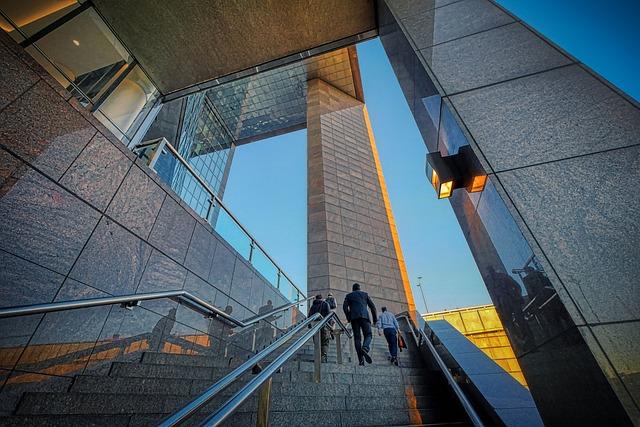
Uncertainty Looms Over AT&T’s Downtown Dallas Headquarters Amidst Corporate Silence
AT&T’s Silence Fuels Doubts About Its Dallas Headquarters
In recent weeks, AT&T’s continued lack of public statements regarding the fate of its historic downtown Dallas headquarters has sparked widespread conjecture among local business circles and municipal leaders. Despite persistent inquiries, the telecommunications titan has refrained from confirming whether it intends to retain its presence in the iconic tower or pursue relocation options. This reticence has only deepened speculation, raising alarms about the potential economic and symbolic consequences for Dallas’s urban core.
Factors intensifying the rumors include:
- Internal reports hinting at organizational restructuring favoring remote work or suburban office hubs
- Industry analyses highlighting a post-pandemic trend of corporations moving away from city centers
- Rising vacancy rates observed in downtown Dallas commercial real estate
| Possible Scenarios | Consequences for Dallas |
|---|---|
| AT&T retains its headquarters | Continued economic vitality and downtown activity |
| AT&T relocates or reduces footprint | Potential surge in office vacancies and economic downturn |
| Prolonged uncertainty | Investor caution and challenges in urban planning |
Economic and Social Ramifications of a Possible AT&T Exit
The possibility of AT&T moving its headquarters has raised significant concerns among Dallas’s civic leaders and local enterprises. Such a departure could trigger a domino effect, impacting thousands of employees and a network of service providers. The loss of high-paying jobs threatens to weaken the local economy, diminish pedestrian traffic downtown, and reduce patronage for hospitality and retail sectors. Small enterprises dependent on AT&T’s workforce, including neighborhood eateries and service shops, face heightened risks of closure, potentially eroding the city’s communal vibrancy.
Beyond immediate financial impacts, the community could see setbacks in urban development projects and public-private collaborations historically supported by AT&T. The company has played a pivotal role in funding educational initiatives and infrastructure enhancements, which might suffer budget cuts if relocation occurs. Critical considerations include:
- Employment stability: Over 5,000 technology and corporate positions linked to the headquarters
- Tax base: Potential decline affecting municipal services and urban renewal programs
- Community involvement: Decrease in corporate sponsorship of cultural and social events
| Area of Impact | Potential Consequence | Community Response |
|---|---|---|
| Jobs | Possible loss exceeding 5,000 positions | Expansion of workforce retraining programs |
| Local Economy | Decline in downtown retail and service revenues | Increased support for small business grants |
| Infrastructure Projects | Reduced funding for public works | Boosted municipal investment initiatives |
How Corporate Strategy and Real Estate Trends Shape AT&T’s Dallas Outlook
AT&T’s evolving corporate strategy reflects broader shifts in workplace dynamics and real estate utilization. The company’s move towards hybrid and remote work models has diminished the necessity for expansive centralized offices. This trend is particularly evident in Dallas, where the future of AT&T’s substantial downtown headquarters remains uncertain amid ongoing speculation. The company’s silence only amplifies conjecture about potential downsizing or relocation, signaling a strategic reassessment of its real estate assets.
Key influences on AT&T’s decisions include:
- Hybrid Work Models: The rise of flexible work arrangements has reduced demand for large office spaces.
- Cost Efficiency: Corporations are increasingly divesting from costly urban properties to optimize expenses.
- Urban Real Estate Dynamics: Escalating property values and redevelopment prospects in Dallas create complex considerations for long-term commitments.
| Real Estate Factor | Effect on AT&T’s Dallas HQ |
|---|---|
| Office Space Usage | Reduced by approximately 40% since 2021 |
| Headquarters Market Value | Appreciated by 15% over the past year |
| Lease Negotiations | Ongoing discussions to downsize footprint |
Strategies for Dallas Leaders to Mitigate Uncertainty and Strengthen Downtown
To navigate the ambiguity surrounding AT&T’s downtown presence, city officials should prioritize transparent and ongoing communication. Forming a dedicated task force comprising representatives from AT&T, local government, and community stakeholders can foster collaboration and timely information sharing. Utilizing data analytics to track commercial real estate trends and workforce changes will empower leaders to proactively address potential disruptions.
Recommended approaches to bolster downtown resilience include:
- Offering incentives to encourage businesses to sustain or grow their downtown operations
- Investing in infrastructure upgrades that improve accessibility and attract diverse industries
- Encouraging mixed-use developments that integrate office, residential, and retail spaces
- Facilitating regular community forums to ensure inclusive growth aligned with residents’ priorities
| Focus Area | Recommended Action | Anticipated Result |
|---|---|---|
| Communication | Create a permanent liaison committee | Enhanced trust and timely updates |
| Economic Incentives | Implement tax relief for downtown tenants | Improved business retention and attraction |
| Urban Planning | Upgrade public transit connectivity | Greater accessibility and increased foot traffic |
Conclusion: The Unfolding Future of AT&T’s Dallas Headquarters
As AT&T continues to withhold official statements amid mounting speculation, the destiny of its downtown Dallas headquarters remains shrouded in uncertainty. Stakeholders and city officials are closely monitoring developments, recognizing that any forthcoming decision could profoundly influence the region’s economic and social fabric. Until clarity emerges, the dialogue surrounding AT&T’s commitment to Dallas will persist, underscoring the company’s pivotal role in the city’s corporate and community identity.