



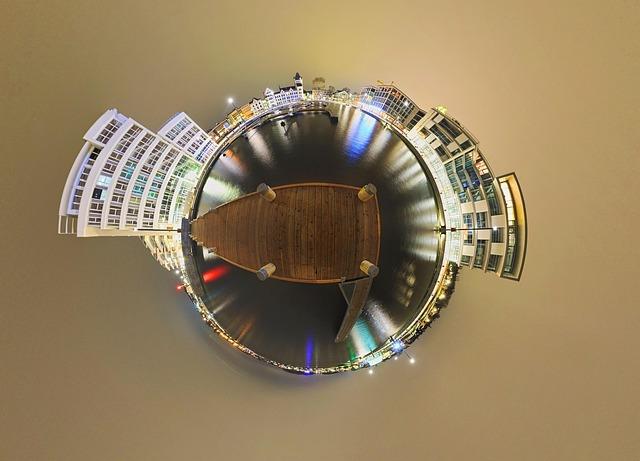
Transforming Sports Viewing: The Rise of Immersive 360-Degree Experiences in the US
Sports spectatorship in the United States is undergoing a remarkable evolution, driven by the rapid adoption of immersive 360-degree viewing technologies. This cutting-edge innovation leverages advanced camera systems and augmented reality (AR) to deliver an all-encompassing, interactive experience that places fans virtually inside the stadium. As reported by ministryofsport.com, this surge in immersive broadcasts is reshaping how audiences connect with live sports, promising to revolutionize fan engagement and set new standards for sports entertainment nationwide.
How 360-Degree Technology is Redefining Sports Broadcasts
Gone are the days when viewers were confined to fixed camera angles and passive consumption. Today’s 360-degree broadcasts empower fans to navigate the game from multiple perspectives, whether on smartphones, VR headsets, or smart TVs. This technology stitches together panoramic footage with real-time data overlays, enabling users to zoom in on player stats, watch dynamic replays, and explore the action from any vantage point. Leading sports leagues and broadcasters have embraced these innovations, crafting immersive environments that blend live footage with interactive elements for a richer viewing experience.
The benefits of this transformation are multifaceted:
- Interactive Control: Fans can personalize their viewing angle, fostering a more engaging and immersive connection to the game.
- Global Accessibility: Remote viewers gain a stadium-like presence, breaking geographical barriers and expanding audience reach.
- Innovative Advertising: Brands can embed dynamic, context-sensitive ads within the 360-degree streams, enhancing sponsorship value.
Below is a comparison highlighting the distinctions between conventional broadcasts and immersive 360-degree streams:
| Aspect | Traditional Broadcast | 360-Degree Stream |
|---|---|---|
| Viewer Autonomy | Fixed Camera Views | Interactive Perspective Control |
| Immersion Depth | Limited Field of View | Complete Surround Experience |
| Engagement Features | Basic Commentary | Augmented Reality & Live Stats |
| Advertising Integration | Pre/Post-Game Commercials | Real-Time, Targeted Ads |
Boosting Fan Interaction with Advanced Viewing Tools
The advent of interactive technologies has transformed fans from passive observers into active participants. Through intuitive 360-degree platforms, viewers can switch between multiple camera angles, access live statistics, and engage in real-time polls, all of which deepen their emotional investment in the game. This personalized approach turns each sporting event into a unique experience tailored to individual preferences.
Sports franchises and broadcasters are leveraging these tools not only to enhance fan satisfaction but also to collect valuable data on viewer behavior, which informs content strategies and marketing efforts. Features such as instant replays from any angle, integrated social media sharing, and live fan voting have become staples in recent deployments of immersive sports technology.
Here’s a breakdown of the most widely adopted interactive features and their impact on fan engagement:
| Feature | Fan Advantage | Adoption Rate |
|---|---|---|
| Multi-Angle Viewing | Complete control over perspective | 80% |
| Real-Time Stats | Instantaneous game insights | 85% |
| Interactive Polls | Engagement through live feedback | 68% |
| Social Media Integration | Community building and sharing | 75% |
These interactive capabilities are not only enriching the live viewing experience but also cultivating a more informed and connected fan community, redefining sports fandom in the digital era.
Overcoming Obstacles and Seizing Opportunities in 360-Degree Sports Coverage
While the promise of 360-degree sports broadcasting is immense, networks face several challenges in its implementation. The upfront costs for specialized camera equipment, sophisticated stitching software, and the high bandwidth required for smooth streaming can be prohibitive, particularly for smaller broadcasters. Additionally, ensuring low latency and device compatibility—from VR headsets to mobile devices—remains a technical hurdle. Content creators must also innovate storytelling methods to maintain narrative coherence when viewers control their own perspectives, balancing immersion with clarity.
Conversely, these challenges open doors to exciting opportunities. Enhanced analytics derived from user interactions enable broadcasters to customize content and deliver precision-targeted advertising, unlocking new revenue streams. Collaborations with AR developers can further enrich broadcasts by embedding personalized stats and interactive features. This technology is especially promising for niche sports, where immersive coverage can attract international audiences eager for novel viewing experiences.
- Key Challenges: High production expenses, complex technology integration, real-time streaming demands.
- Major Opportunities: Elevated fan engagement, tailored content delivery, innovative monetization strategies.
| Dimension | Challenge | Opportunity |
|---|---|---|
| Technology | Latency issues and device diversity | Cross-platform streaming solutions |
| Content | Maintaining engaging narratives | Immersive and interactive storytelling |
| Business | Investment costs and ROI uncertainty | Dynamic, targeted advertising models |
Strategic Recommendations for Sports Entities to Leverage Immersive Technologies
To capitalize on the transformative potential of 360-degree immersive viewing, sports organizations should prioritize investment in state-of-the-art infrastructure. This includes deploying high-resolution cameras at strategic points within venues and establishing robust real-time data streaming capabilities to support seamless virtual experiences. Partnering with technology innovators specializing in VR and AR is essential to integrate these immersive elements effectively into live broadcasts and mobile applications.
Equally important is the development of fan engagement strategies tailored to immersive media. Encouraging features such as customizable viewing angles, virtual athlete meet-and-greets, and integrated social sharing can significantly enhance the fan experience. Consider implementing initiatives like:
- Personalized camera angle selection to empower viewer autonomy
- Virtual interactions with players and coaches to deepen fan connection
- Social media tools embedded within apps to foster community engagement
| Focus Area | Example Initiative |
|---|---|
| Technology | Installation of 360-degree camera arrays |
| Partnerships | Collaboration with VR and AR developers |
| Fan Engagement | Interactive stats, replays, and polls |
| Monetization | Subscription models for premium immersive content |
Final Thoughts
As immersive 360-degree sports viewing continues to expand across the United States, it is revolutionizing the way fans experience live events. By offering unparalleled interactivity and a sense of presence, this technology is elevating the standard of sports entertainment and reshaping fan expectations. With increasing investments from major leagues and broadcasters in 360-degree platforms, audiences can anticipate more personalized, engaging, and immersive ways to connect with their favorite teams and athletes. For ongoing updates and expert analysis on this dynamic trend, ministryofsport.com remains a leading resource in the evolving world of sports technology.