



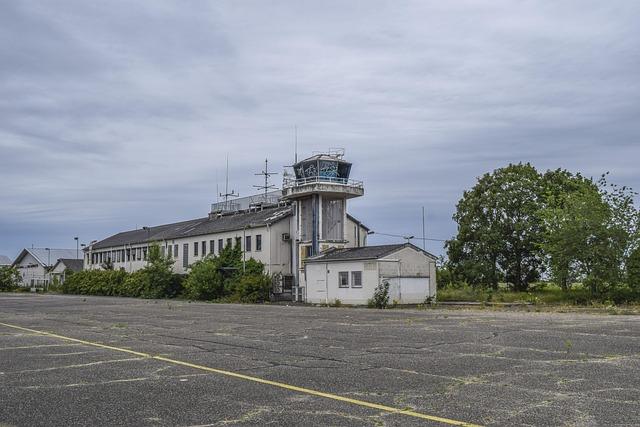
U.S. Funding Boost Targets Expansion of Air Traffic Controller Ranks
The latest federal spending legislation dedicates substantial resources to expanding the air traffic control workforce nationwide. This initiative plans to onboard and train roughly 2,500 additional air traffic controllers, a strategic response to escalating air traffic volumes and persistent staffing shortages. Aviation authorities emphasize that this expansion is crucial not only for maintaining safe skies but also for enhancing the overall efficiency of airspace management, thereby reducing flight delays and improving passenger safety.
Key focus areas for this funding include:
- Enhanced training curricula designed to expedite controller certification and readiness.
- Modernization of technological systems to support a larger, more capable workforce.
- Initiatives to increase workforce diversity, reflecting the nation’s demographic makeup.
- Retention programs aimed at keeping seasoned controllers engaged and reducing turnover.
| Area of Investment | Funding Level | Anticipated Result |
|---|---|---|
| Recruitment | High | 2,500 new controllers hired |
| Training Enhancements | Moderate | Accelerated certification process |
| Technology Upgrades | Moderate | Greater operational efficiency |
| Retention Efforts | Low | Lower attrition rates |
How Additional Air Traffic Controllers Elevate Aviation Safety and Efficiency
The infusion of 2,500 new air traffic controllers is poised to significantly bolster the safety and operational fluidity of the U.S. aviation network. Increasing the number of controllers reduces the likelihood of human error, a leading contributor to aviation incidents. With more personnel available, air traffic management can better oversee flight trajectories, especially as the nation’s airspace becomes more congested. This improved supervision is expected to facilitate smoother flight operations, minimize delays, and enhance emergency responsiveness.
Beyond safety improvements, the workforce expansion offers tangible efficiency benefits that positively affect both airlines and travelers. These include:
- Alleviation of airspace congestion: Quicker clearances and optimized flight routing help ease bottlenecks at major airports.
- Improved pilot-controller communication: Increased staffing allows for more frequent and clearer exchanges, reducing misunderstandings.
- Better workload distribution: Balanced shift schedules reduce fatigue, enhancing controllers’ focus and decision-making abilities.
| Performance Metric | Projected Improvement |
|---|---|
| Average Flight Delay | 15% Decrease |
| Controller-to-Aircraft Ratio | 20% Enhancement |
| Incident Frequency | 10% Reduction |
Overcoming Recruitment and Training Hurdles in Air Traffic Control
Bringing 2,500 new air traffic controllers into the fold presents several challenges, especially given the evolving demands of the aviation sector. Attracting qualified applicants who satisfy rigorous medical and cognitive standards is increasingly competitive amid a tight labor market. The urgency is compounded by a wave of retirements among veteran controllers, necessitating swift yet thorough onboarding processes. Training programs must strike a delicate balance between accelerated certification and comprehensive instruction to maintain safety and operational excellence in high-stress environments.
Nevertheless, this funding surge opens doors to innovative training methods and broader recruitment strategies. Cutting-edge technologies like augmented reality simulators and AI-driven decision support systems offer immersive, risk-free training experiences. Expanding outreach to underrepresented communities can diversify the talent pool, fostering inclusivity in a sector vital to national infrastructure. These efforts aim to future-proof air traffic control capabilities amid rising passenger volumes.
- Deploy advanced simulation-based training platforms
- Expand recruitment campaigns targeting younger and diverse populations
- Implement retention incentives for experienced controllers
- Streamline training pipelines without compromising safety standards
| Training Stage | Duration | Primary Focus |
|---|---|---|
| Initial Assessment | 1 month | Eligibility screening and aptitude evaluation |
| Theoretical Instruction | 4 months | Regulatory knowledge, procedures, and theory |
| Simulator Practice | 3 months | Hands-on scenario-based training |
| Field Training | 6-12 months | Supervised live operations |
Policy Strategies to Support Sustainable Growth in Air Traffic Management
To keep pace with increasing air travel demand and maintain safety in crowded skies, policymakers must commit to sustained investments in the air traffic control workforce. This encompasses not only recruitment funding but also the modernization of training programs that incorporate the latest simulation and automation technologies. Integrating AI-powered tools alongside human expertise can streamline workflows, reduce controller fatigue, and minimize delays. Recommended approaches include:
- Establishing dedicated funding channels for ongoing hiring and professional development.
- Updating training programs to emphasize real-time, scenario-based learning.
- Investing in next-generation air traffic management systems leveraging AI and machine learning.
- Collaborating with industry partners to align workforce growth with evolving sector needs.
Additionally, adopting a data-centric framework to monitor controller workload and airspace congestion is essential. Regular audits and transparent reporting will help identify operational bottlenecks and justify future budget increases. The following timeline illustrates projected workforce growth aligned with anticipated traffic increases:
| Year | Controllers Recruited | Projected Air Traffic Growth |
|---|---|---|
| 2024 | 500 | 6% |
| 2025 | 750 | 8% |
| 2026 | 800 | 10% |
| 2027 | 450 | 7% |
Final Thoughts on the Investment in Air Traffic Control Personnel
The recent federal spending agreement represents a pivotal investment in the United States’ aviation infrastructure, allocating funds to recruit and train 2,500 new air traffic controllers. This initiative addresses critical staffing shortages and aims to elevate the safety and efficiency of air travel nationwide. As the Federal Aviation Administration embarks on this large-scale recruitment and training effort, industry observers will closely monitor how this expanded workforce influences operational performance and passenger satisfaction in the coming years. Stay updated with the latest developments on this topic through trusted news sources.