

Mass Mobilizations in Dallas and Beyond: The Rising Wave Against Trump’s Political Dominance
Dallas Leads a Nationwide Surge in Protests Opposing Trump’s Political Legacy
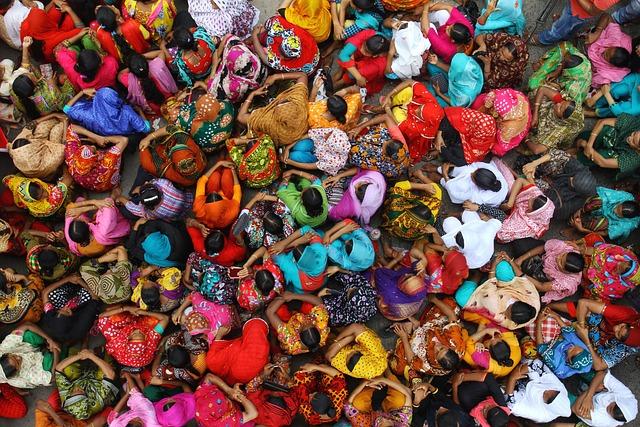
In a powerful display of civic engagement, thousands convened in downtown Dallas as part of a broader national movement rejecting the enduring sway of former President Donald Trump over American politics. Protesters brandished banners emblazoned with slogans such as “No Kings, No Dictators”, vocally demanding transparency, responsibility, and democratic integrity from elected officials. The event featured compelling oratory from grassroots organizers and community advocates who stressed that this movement transcends partisan divides, centering instead on safeguarding democratic principles and encouraging active citizenship.
Key priorities articulated by the rally’s coordinators included:
- Protecting electoral integrity: Calling for robust safeguards against misinformation and efforts to secure voting rights.
- Advancing social equity: Tackling systemic disparities and fostering racial justice.
- Ensuring accountability: Pursuing thorough investigations into actions perceived as threats to democratic institutions.
- Empowering local communities: Promoting grassroots involvement in governance and policy-making.
| City | Estimated Attendance | Primary Focus |
|---|---|---|
| Dallas | Over 4,000 participants | Political accountability and transparency |
| Atlanta | Approximately 3,200 protesters | Election security and reform |
| Philadelphia | Close to 2,800 attendees | Social justice and equity initiatives |
Core Concerns Fueling the “No Kings” Movement Nationwide
At the heart of this expanding resistance lies widespread unease about the perceived erosion of democratic norms and the alarming centralization of power. Protesters warn that concentrating unchecked authority in the hands of any individual threatens the foundational ideals of fairness, accountability, and the rule of law. The metaphor of a “king” in contemporary America symbolizes fears of authoritarianism undermining the essential balance of power that sustains a healthy republic.
Prominent issues galvanizing demonstrators include:
- Opaque governance: Worries over secretive decision-making processes and lack of transparency.
- Judicial independence under threat: Allegations of political interference in courts and law enforcement agencies.
- Compromised electoral processes: Claims of manipulation aimed at entrenching political dominance.
| Issue | Societal Consequence | Demands from Protesters |
|---|---|---|
| Concentration of Power | Weakening of institutional checks and balances | Reinstate robust oversight mechanisms |
| Pressure on Judiciary | Threats to impartial legal processes | Safeguard judicial autonomy |
| Election System Vulnerabilities | Growing public skepticism toward voting integrity | Implement transparent and secure elections |
Calls for Peaceful Protest and Meaningful Engagement from Community Leaders
Amid escalating political tensions, civic leaders in Dallas and other cities have emphasized the importance of maintaining peaceful demonstrations. They underscored that democracy thrives when dissent is expressed respectfully and without violence or intimidation. These leaders advocated for protecting the rights of all participants while ensuring public safety and preserving the sanctity of communal spaces.
To cultivate a constructive protest environment, organizers and officials recommended adherence to several guiding principles:
- Respectful dialogue: Foster open, sincere conversations aimed at mutual understanding rather than confrontation.
- Commitment to nonviolence: Reject any form of physical aggression or property destruction.
- Collaboration with local stakeholders: Work alongside neighborhood groups and law enforcement to maintain order.
- Focused messaging: Clearly articulate specific objectives to maximize protest impact.
| Recommended Approach | Expected Outcome |
|---|---|
| Facilitated Dialogue Sessions | Enhances mutual understanding |
| Peace Marshals Deployment | Improves safety and order |
| Social Media Best Practices | Reduces spread of misinformation |
| Legal Aid Availability | Protects protesters’ rights |
Bridging Divides: Innovative Approaches to Mitigate Political Polarization
In response to intensifying political discord, community organizers and policymakers are implementing diverse strategies to foster unity and dialogue. One promising approach involves creating community forums that bring together individuals with differing viewpoints to share personal stories and build empathy, moving beyond entrenched ideological positions. These forums prioritize respectful communication as a tool to diminish hostility and strengthen communal bonds.
Complementing these efforts are educational initiatives designed to combat misinformation and encourage critical analysis of protest-related narratives. Key components include:
- Fact-checking campaigns that clarify the intentions and actions of protest groups.
- Workshops on civil discourse and media literacy to equip citizens with skills for constructive engagement.
- Collaborative community projects where diverse participants co-develop solutions addressing local challenges.
| Initiative | Objective | Result |
|---|---|---|
| Community Dialogue Forums | Encourage open conversations | Reduced political polarization |
| Fact-Checking Efforts | Address misinformation | More informed citizenry |
| Civil Discourse Workshops | Promote respectful communication | Enhanced community engagement |
Looking Ahead: Sustained Activism and the Future of Political Discourse
As the “No Kings” protests continue to ripple through cities nationwide, Dallas stands as a vivid example of the passionate and polarized political climate shaping America today. Organizers and participants remain committed to ongoing activism, signaling that debates surrounding former President Trump’s influence will persist in public forums. Meanwhile, local authorities strive to balance the enforcement of laws with the protection of peaceful assembly rights, navigating the complex dynamics that define contemporary civic engagement.