



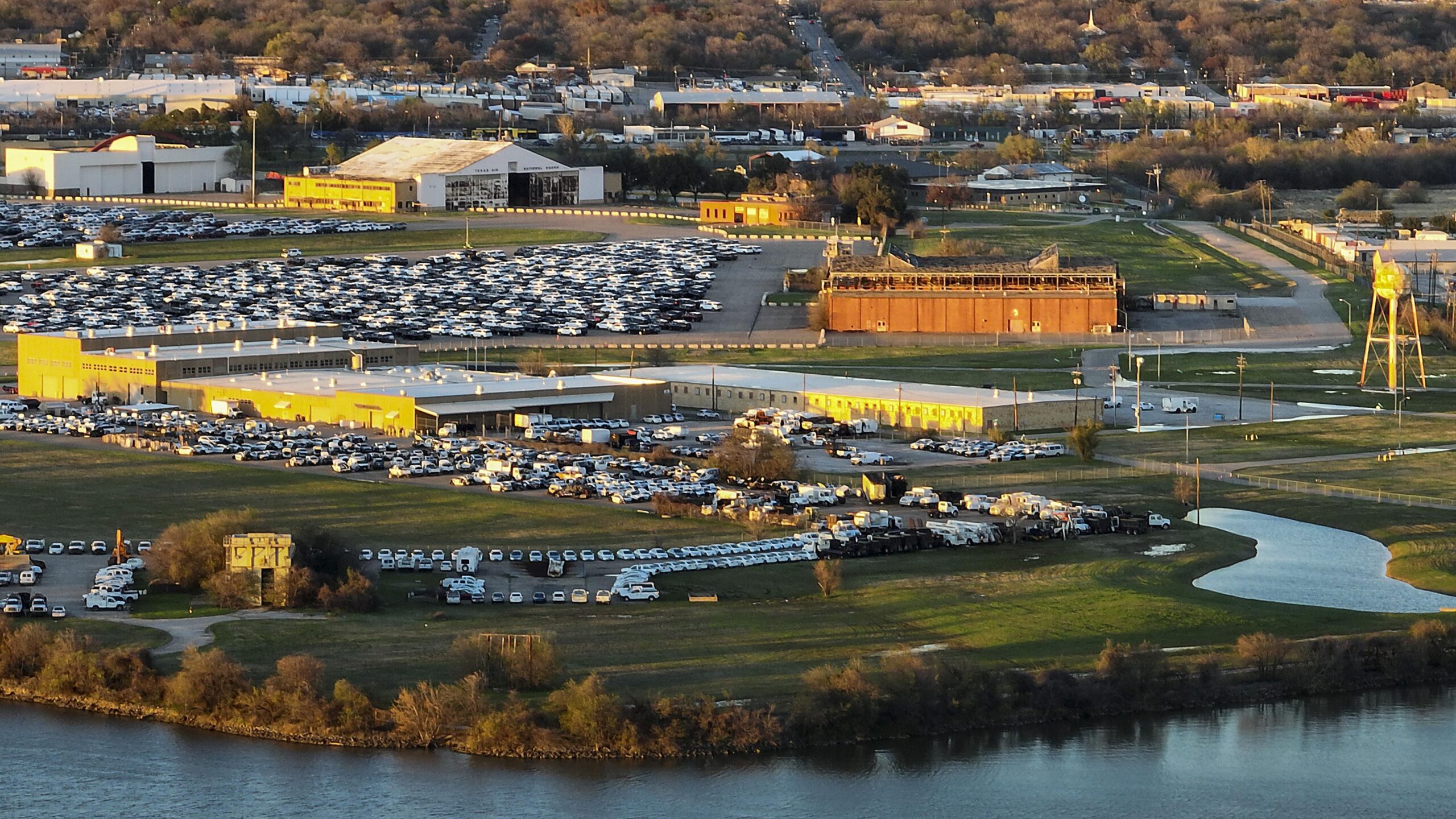
Assessing the Environmental Impact of Hensley Field: A Renewed Focus on Contamination and Community Safety
Historical Contamination Concerns at Hensley Field
Once a pivotal U.S. Navy base in Dallas, Hensley Field has long been associated with environmental contamination issues stemming from its military past. Although the facility has been inactive for many years, the site continues to harbor pollutants that raise alarms about soil and groundwater quality. Substances such as volatile organic compounds (VOCs), heavy metals, and petroleum-based chemicals are suspected to have permeated the environment, threatening both ecosystems and the health of nearby residents who depend on local water sources. The Navy’s forthcoming investigation seeks to thoroughly evaluate these residual contaminants using state-of-the-art detection methods, aiming to clarify the extent of pollution and inform future remediation efforts.
The Navy’s renewed focus will concentrate on several historically problematic zones identified through prior studies:
- Former fuel storage and transfer facilities known for frequent leakage incidents.
- Aircraft servicing and repair areas potentially contaminated with solvents and heavy metals.
- Disposal grounds where chemical waste and obsolete equipment were historically discarded.
Previous cleanup attempts have been fragmented and incomplete. This new comprehensive review aims to establish a prioritized, health-focused cleanup plan. Local environmental advocates and community members are calling for full transparency and accountability to ensure the site’s safety for future generations.
Strategic Framework and Timeline for the Navy’s Investigation
The U.S. Navy has devised a multi-phase strategy to systematically assess contamination at Hensley Field, emphasizing openness and community engagement throughout the process. The initial phase involves extensive sampling of soil, groundwater, and air to detect persistent pollutants, including emerging contaminants like PFAS, which have recently garnered significant public health attention nationwide. This investigation is projected to span several years, reflecting the complexity of the site and the necessity for detailed data collection.
Investigation milestones include:
- Comprehensive Site Survey: Scheduled for completion by the end of 2024 to identify contamination hotspots.
- Preliminary Risk Analysis: Planned for early 2025 to evaluate immediate health risks to the community.
- Cleanup Strategy Formulation: Expected mid-2025, focusing on remediation priorities and methods.
- Ongoing Environmental Surveillance: Continuous monitoring post-cleanup to ensure long-term safety.
| Phase | Timeline | Core Activities |
|---|---|---|
| Phase 1 | Mid 2024 – Late 2024 | Environmental Sampling & Initial Data Analysis |
| Phase 2 | Early 2025 | Health Risk Assessment |
| Phase 3 | Mid 2025 | Development of Remediation Plan |
| Phase 4 | Late 2025 and Beyond | Cleanup Implementation & Long-Term Monitoring |
Health Implications for Surrounding Communities
The legacy of military activity at Hensley Field has left a complex mixture of chemical contaminants that pose potential health hazards to local populations. Exposure to VOCs, heavy metals, and petroleum derivatives has been associated with a range of adverse health outcomes, including respiratory problems, dermatological conditions, and in some cases, increased risks of cancer and neurological disorders. Vulnerable groups such as children, seniors, and individuals with pre-existing health conditions are particularly at risk if contaminants infiltrate drinking water supplies or become airborne.
Residents and health professionals are especially concerned about:
- Soil contamination in residential neighborhoods and recreational areas.
- Potential groundwater pollution threatening municipal and private wells.
- Airborne toxicants released from disturbed soils or residual waste deposits.
| Contaminant | Associated Health Effects | Exposure Pathways |
|---|---|---|
| Perfluoroalkyl Substances (PFAS) | Immune system disruption, increased cancer risk | Drinking water, soil contact |
| Arsenic | Skin lesions, cardiovascular disease | Ingestion via water and soil |
| Volatile Organic Compounds (VOCs) | Respiratory irritation, neurological effects | Inhalation, groundwater |
Proposed Actions for Continuous Monitoring and Effective Cleanup
Addressing the contamination at Hensley Field requires a dynamic and thorough approach to environmental management. The Navy’s remediation plan incorporates cutting-edge technologies such as bio-remediation, chemical oxidation, and soil vapor extraction to target specific pollutants effectively. Additionally, the use of drone-based aerial surveys will enhance the ability to monitor vegetation health and surface conditions, providing early warnings of potential contaminant spread.
Essential components of the ongoing remediation and monitoring program include:
- Routine Environmental Testing: Quarterly sampling of soil and groundwater to track contaminant levels and evaluate cleanup progress.
- Community Involvement: Regular public forums and updates to maintain transparency and incorporate local feedback.
- Advanced Treatment Solutions: Deployment of innovative remediation technologies tailored to the site’s unique contamination profile.
- Accessible Reporting: Real-time data sharing through online platforms to keep the public informed.
| Monitoring Activity | Frequency | Focus Area |
|---|---|---|
| Groundwater Quality Testing | Every 3 months | Contaminant Concentrations |
| Soil Vapor Extraction Monitoring | Twice a year | Volatile Organic Compounds |
| Drone-Based Environmental Surveys | Monthly | Surface and Vegetation Health |
Final Thoughts: Moving Toward a Safer Future for Hensley Field
As the U.S. Navy embarks on this critical environmental investigation at Hensley Field, the community awaits clarity on the true scope of contamination and the health risks involved. The comprehensive assessments and subsequent remediation plans will be vital in mitigating environmental hazards and restoring the site for safe future use. For Dallas residents and stakeholders, this initiative represents a significant opportunity to address longstanding concerns and ensure the protection of public health and the environment. Continued updates will be essential as this important story develops.