

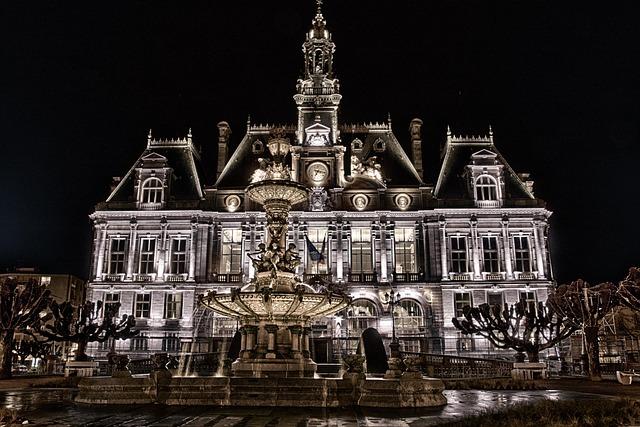
Dallas City Hall: A National Treasure of Architectural Innovation and Civic Heritage
Recently acclaimed as one of the United States’ most irreplaceable structures, Dallas City Hall stands as a beacon of architectural ingenuity and cultural pride. This landmark, renowned for its unique design and historical importance, remains a powerful emblem of Dallas’s civic spirit. Its recognition underscores the critical need to protect such architectural gems that embody the nation’s rich cultural fabric and community values.
Architectural Brilliance and Cultural Impact of Dallas City Hall
Conceived by the illustrious Pritzker Prize laureate I.M. Pei, Dallas City Hall is celebrated for its groundbreaking architectural style and enduring cultural resonance. Completed in 1978, the building’s inverted pyramid silhouette defies traditional municipal design, inspiring architects and urban developers across the country. This daring form not only challenges architectural norms but also reflects Dallas’s progressive vision and dynamic growth.
Beyond its striking appearance, Dallas City Hall plays a pivotal role in promoting transparency and community involvement in local governance. Its designation as an “irreplaceable” landmark is attributed to several key elements:
- Innovative Architecture: A pioneering fusion of structural engineering and aesthetic function.
- Symbol of Civic Identity: Embodies Dallas’s evolution and contemporary ethos.
- Preservation of Mid-Century Modernism: A vital piece of architectural history maintained for future generations.
| Aspect | Information |
|---|---|
| Architect | I.M. Pei |
| Year of Completion | 1978 |
| Architectural Style | Modernist with Brutalist influences |
| Address | 1500 Marilla Street, Dallas, TX |
Historic Preservation Specialists Highlight Dallas City Hall’s Enduring Legacy
Preservation authorities emphasize the building’s exceptional architectural features, noting how its innovative design captures the spirit of the late 20th century. I.M. Pei’s inverted pyramid concept not only redefines municipal architecture but also symbolizes openness and accessibility in government. Experts commend the building’s seamless blend of form and function, which continues to influence contemporary architectural thought and urban planning.
Distinctive qualities that distinguish Dallas City Hall include:
- Bold geometric structure that breaks away from conventional city hall designs
- Use of resilient materials engineered for durability and minimal upkeep
- Structural innovations that maximize daylight and optimize interior spatial flow
- Architectural narrative that reflects democratic ideals and civic transparency
| Feature | Contribution to Legacy |
|---|---|
| Inverted Pyramid Form | Iconic visual statement and architectural daring |
| Material Selection | Ensures long-term structural integrity |
| Natural Illumination | Boosts energy efficiency and occupant comfort |
| Symbolism of Transparency | Represents open governance and democratic principles |
Local Leaders and Community Advocates Unite to Preserve Dallas City Hall
In light of its recent acclaim as a nationally significant and irreplaceable building, Dallas City Hall has become the focus of concerted preservation efforts by city officials and community stakeholders. Advocates emphasize that the building is more than an architectural landmark—it is a vital center for civic administration and public participation. Protecting this structure guarantees continued access to essential government functions while honoring Dallas’s rich cultural narrative.
Key initiatives championed by supporters include:
- Securing preservation grants from state and federal sources to fund restoration and upkeep
- Implementing adaptive reuse strategies that preserve the building’s core while accommodating modern needs
- Engaging the public through educational programs and community forums to raise awareness
- Partnering with heritage organizations to document and celebrate the building’s history
| Organization | Preservation Role | Contact |
|---|---|---|
| Dallas Heritage Foundation | Leading preservation initiatives | info@dallashf.org |
| City Council Preservation Committee | Policy formulation and oversight | council@dallascity.gov |
| Neighborhood Civic Association | Community engagement and outreach | contact@dallasneighborhood.org |
Strategies for Long-Term Conservation and Functional Sustainability
Ensuring the preservation of Dallas City Hall’s architectural and cultural essence requires a balanced approach that integrates modern utility with historical authenticity. Experts advocate for the creation of a dedicated maintenance fund to support regular inspections, repairs, and upgrades using materials that honor the original mid-century modern design. This proactive maintenance strategy helps avoid expensive restorations and protects the building’s distinctive features from deterioration.
Equally important is fostering community involvement through:
- Awareness campaigns that inform the public about the building’s historical and civic importance
- Collaborative stewardship involving local heritage groups and government bodies
- Adaptive reuse projects that allow the building to evolve functionally while preserving its architectural integrity
| Maintenance Area | Recommended Action | Suggested Frequency |
|---|---|---|
| Exterior Facade | Gentle cleaning and protective sealing | Every 3 years |
| Structural Soundness | Thorough structural assessments | Every 5 years |
| Historic Elements | Specialized restoration as required | As needed |
Conclusion: Dallas City Hall as a Pillar of Architectural and Civic Legacy
As Dallas City Hall gains recognition as one of America’s most irreplaceable architectural landmarks, its significance in both design innovation and cultural symbolism is increasingly celebrated. The visionary work of I.M. Pei not only transformed municipal architecture but also set a precedent for integrating civic values into built environments. Amid ongoing discussions about urban growth and heritage conservation, Dallas City Hall remains a powerful reminder of the lasting impact that thoughtful, iconic architecture has on shaping the identity and future of American cities.