



Unveiling the Enduring Impact of School Segregation on Latino Students in the American Southwest
Origins and Enduring Effects of Educational Segregation in the Southwest
During the early 1900s, systemic segregation was deeply embedded in the educational systems of the American Southwest, disproportionately affecting Mexican American and Latino communities. Despite their status as U.S. citizens or lawful residents, many Latino children were confined to separate institutions often labeled as “Mexican schools.” These schools were chronically under-resourced, overcrowded, and lacked qualified educators, starkly contrasting with the well-funded schools designated for white students. This segregation was not merely a social custom but was frequently codified through local school district policies and upheld by judicial rulings that legitimized the exclusion of Latino children from mainstream education.
The ramifications of this segregation extended well beyond the classroom, perpetuating socio-economic disparities and limiting upward mobility for Latino families. Language barriers and cultural marginalization further impeded academic success, contributing to persistent achievement gaps that remain evident in the region’s schools today.
- Judicial endorsement: Court rulings from the 1920s to 1940s often reinforced segregation under the “separate but equal” doctrine.
- Economic consequences: Inferior education curtailed career opportunities for multiple generations.
- Community activism: Mexican American families and advocates challenged segregation through legal action and grassroots efforts.
| Year | Event or Policy | Impact |
|---|---|---|
| 1915 | Creation of “Mexican Schools” | Formalized segregation in numerous districts |
| 1930 | Implementation of Local School Ordinances | Legalized separate classrooms for Latino students |
| 1947 | Mendez v. Westminster Decision | Set a legal precedent challenging school segregation |
Policy Mechanisms and Grassroots Resistance Shaping Educational Disparities
Educational segregation in the Southwest was not an accidental byproduct of societal bias but a deliberate outcome of policies designed to marginalize Mexican American students. School districts utilized zoning laws, language exclusion, and curriculum restrictions to maintain separate and unequal schooling environments. These measures were often embedded in official regulations and supported by school boards that framed segregation as a means to protect “cultural identity” or uphold “academic standards.” Additionally, inequitable funding formulas deprived Latino schools of essential resources, resulting in deteriorated facilities and a shortage of qualified teachers.
Despite these systemic barriers, Latino communities mobilized to resist segregation through various forms of activism. Parents, educators, and civil rights advocates organized legal challenges, public protests, and community campaigns to demand fair treatment and integration. Key resistance strategies included:
- Petition drives urging school boards to eliminate segregationist policies.
- Student-led walkouts and demonstrations exposing educational inequalities.
- Establishment of advocacy organizations focused on legal recourse and policy reform.
These collective efforts were instrumental in initiating policy changes that gradually dismantled segregation and promoted inclusivity within the region’s educational institutions.
Human Narratives Highlighting the Emotional and Social Toll of Segregated Education
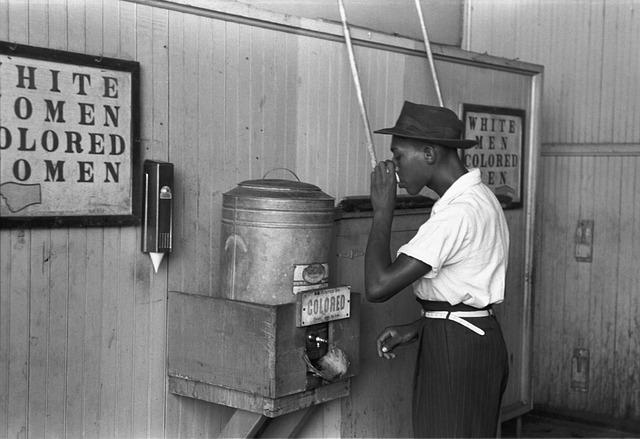
For many Latino families, the reality of segregation was painfully tangible, with school entrances marked by signs explicitly stating “No Mexicans Allowed.” These personal accounts reveal not only the educational disadvantages but also the emotional scars inflicted by exclusion. One individual recounts her mother’s heartbreak upon being forced to attend a separate, underfunded school staffed by inexperienced teachers. Such experiences fostered feelings of alienation and diminished self-worth among students who yearned for inclusion in the broader community.
The repercussions of segregation continue to affect families today, influencing identity and educational outcomes. The table below summarizes some of the profound impacts reported by those who lived through segregated schooling:
| Experience | Resulting Impact |
|---|---|
| Restricted access to quality learning materials | Lower academic achievement and limited future opportunities |
| Separate recreational areas and facilities | Social isolation and psychological distress |
| Neglect of bilingual education needs | Reduced cultural pride and self-confidence |
| Community leadership opposition | Strengthened civil rights activism and advocacy |
Contemporary Approaches to Overcoming Segregation in Latino Education
Today, educators and community leaders emphasize comprehensive strategies to dismantle the persistent segregation patterns affecting Latino students. Central to these efforts are community-driven school choice programs that prioritize diversity and equitable resource distribution. Collaborations with local authorities aim to reform transportation and enrollment policies to prevent inadvertent segregation. Furthermore, the development of culturally relevant curricula and specialized teacher training programs seeks to foster inclusive environments where Latino students feel seen and valued.
Policy reforms at both district and state levels are critical components of this movement, with advocates calling for:
- Robust accountability systems to track and address racial and ethnic disparities in educational access and achievement.
- Enhanced funding dedicated to bilingual education and community engagement initiatives.
- Inter-district cooperation to share resources and reduce geographic segregation.
These multifaceted approaches aim not only to remove physical barriers but also to tackle the socio-economic factors that perpetuate educational inequities. Empowering Latino families to actively participate in shaping educational policies remains a cornerstone of these efforts.
Reflecting on the Past to Inform a More Equitable Educational Future
The history of school segregation in the American Southwest, symbolized by exclusionary signs like “No Mexicans Allowed,” reveals a deeply rooted system of discrimination that shaped the educational trajectories of countless Latino students. Although legal victories and civil rights activism have challenged overt segregation, its lingering effects continue to influence educational access and quality. Recognizing this history is essential not only to honor the struggles endured but also to guide ongoing initiatives aimed at achieving educational equity. As Latino populations in the Southwest continue to grow and diversify, ensuring that every child receives a high-quality, inclusive education is both a pressing challenge and a vital step toward social justice.