

Massive Dallas Rally Demands Peaceful Approach Amid U.S.-Venezuela Crisis
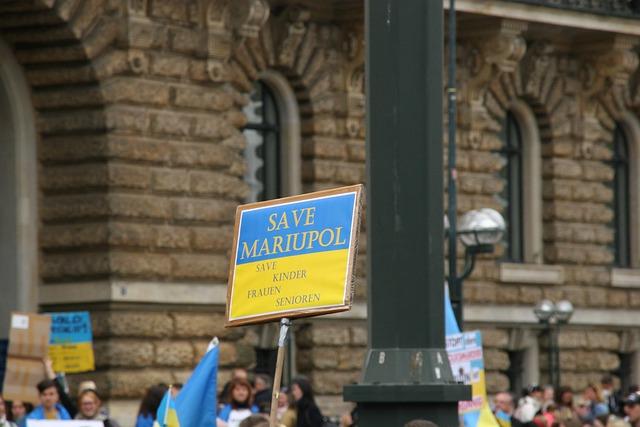
This past weekend, a significant assembly took place in the heart of Dallas, where hundreds of individuals gathered to express their firm opposition to the rising possibility of military intervention in Venezuela. The demonstration was sparked by the recent controversial detention of Venezuelan President Nicolás Maduro by U.S. officials. Participants, including activists, local leaders, and concerned residents, united under banners advocating for peaceful diplomacy rather than conflict, highlighting fears of a broader geopolitical fallout if tensions escalate.
The event showcased a broad coalition of voices demanding respect for Venezuela’s sovereignty and an end to aggressive foreign policies. Organizers presented clear objectives:
- Immediate halt to any hostile military plans targeting Venezuela
- Renewed diplomatic engagement between the United States and Venezuela
- Strict adherence to international law and protection of human rights
Speakers emphasized the severe humanitarian consequences of sanctions and military threats on Venezuelan civilians, urging decision-makers to explore peaceful alternatives to avoid further suffering.
Voices from the Community Advocating for Dialogue and Peace
Community advocates from diverse backgrounds converged in downtown Dallas to denounce the escalating military rhetoric surrounding Venezuela. The gathering, which attracted hundreds, underscored the urgent need for diplomatic solutions over armed conflict. Speakers warned that further destabilization could exacerbate regional instability and called for prioritizing humanitarian aid and negotiations.
- Calls were made to reopen communication channels between U.S. and Venezuelan officials.
- Several organizations committed to monitoring the evolving situation and supporting families impacted by the crisis.
- Leaders stressed the importance of nuanced understanding of Venezuela’s political complexities beyond mainstream media portrayals.
During the event, a comprehensive report was shared outlining the potential fallout from military intervention, highlighting concerns such as refugee displacement, economic disruption, and regional security challenges:
| Impact Area | Projected Magnitude |
|---|---|
| Refugee Crisis | Exceeding 1.2 million displaced individuals |
| Economic Turmoil | Regional markets could face up to 18% disruption |
| Diplomatic Strain | Heightened tensions between U.S. and Latin American nations |
Activists remain steadfast in promoting peaceful alternatives, emphasizing that war would only deepen the crisis. Their unified message calls for restraint and dialogue as the only viable path toward stability and mutual respect.
Understanding the U.S.-Venezuela Conflict and Its Global Repercussions
The recent apprehension of President Nicolás Maduro by U.S. authorities represents a significant escalation in the already tense relations between Washington and Caracas. Experts caution that this development could further destabilize Latin America, a region where Venezuela plays a crucial geopolitical role. The ripple effects of this crisis extend beyond bilateral tensions, impacting global energy supplies, migration patterns, and international alliances. Key areas of concern include:
- Energy Markets: Venezuela holds one of the world’s largest proven oil reserves, and any disruption could lead to increased volatility in global oil prices, affecting economies worldwide.
- Regional Security: Neighboring countries may experience heightened refugee flows and economic pressures as political instability intensifies.
- Geopolitical Dynamics: The incident may drive Venezuela closer to strategic partners such as Russia and China, potentially altering the balance of power in the Western Hemisphere.
International reactions have been mixed, with some governments condemning what they view as interference, while others advocate for peaceful dialogue. The table below summarizes the potential impacts on key stakeholders:
| Stakeholder | Potential Consequences | Immediate Risk Level |
|---|---|---|
| United States | Diplomatic backlash, energy price instability | High |
| Venezuela | Political turmoil, intensified sanctions | Severe |
| Neighboring Nations | Increased refugee arrivals, border security challenges | Moderate |
| Global Energy Sector | Supply chain disruptions, price fluctuations | High |
Specialists Advocate for Enhanced Dialogue and Humanitarian Support
Prominent political analysts and humanitarian organizations are urging governments to maintain open lines of communication between the U.S. and Venezuelan authorities to reduce tensions. They warn that unilateral actions, such as the recent detention of President Maduro, risk deepening instability and could provoke further violence. Experts recommend a comprehensive diplomatic approach that acknowledges Venezuela’s intricate socio-political realities, emphasizing inclusive dialogue as vital for sustainable peace.
Simultaneously, there is a strong push for expanded humanitarian aid to address the urgent needs of vulnerable populations affected by the ongoing crisis. Human rights advocates stress the importance of increasing access to food, medical care, and shelter. Recommended initiatives include:
- Rapid expansion of cross-border humanitarian corridors
- International oversight to guarantee fair and transparent aid distribution
- Collaborative reconstruction efforts involving local communities and non-governmental organizations
| Initiative | Anticipated Benefit |
|---|---|
| Dialogue Platforms | Foster mutual understanding and rebuild trust |
| Humanitarian Deliveries | Provide immediate relief to affected populations |
| Monitoring Missions | Ensure accountability and equitable aid distribution |
Conclusion: Growing Public Demand for Peaceful Resolution
The recent demonstration in downtown Dallas highlights increasing public apprehension and resistance to the prospect of military intervention in Venezuela following the U.S. detention of President Nicolás Maduro. As diplomatic tensions rise, protesters urge leaders to seek peaceful negotiations rather than conflict. This event reflects the intricate and contentious nature of U.S.-Venezuela relations, with citizens advocating for a resolution grounded in dialogue, respect, and humanitarian concern amid evolving political challenges.