



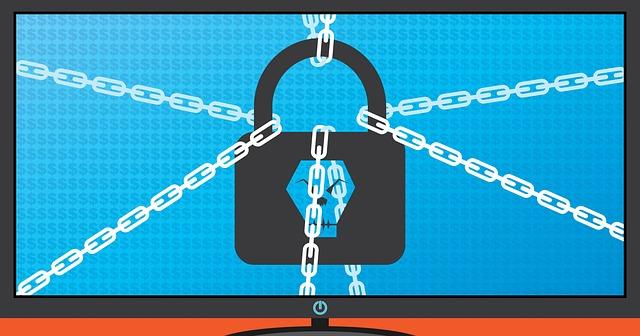
Dallas Police Website Taken Offline by Ransomware Attack: A Wake-Up Call for Municipal Cybersecurity
Ransomware Incident Shuts Down Dallas Police Department’s Online Services
This week, the City of Dallas faced a major cybersecurity crisis when a ransomware attack forced the police department to disable its website, disrupting vital online public safety services. Hackers infiltrated the city’s network, encrypting essential data and demanding a ransom to restore access. As a result, residents lost access to digital crime reporting tools and community alert systems, creating significant operational challenges. City officials have launched a comprehensive investigation, collaborating with federal cybersecurity agencies and experts to contain the breach and recover encrypted information securely.
Immediate Effects and City’s Response
- Suspension of online crime reporting and booking systems
- Manual processing of critical police functions to ensure public safety
- Activation of a specialized cybersecurity task force to mitigate the threat
- Public warnings issued about potential phishing scams related to the attack
| Category | Current Situation | Planned Actions |
|---|---|---|
| Website Status | Offline | Ongoing data recovery efforts |
| Data Security | Encrypted but uncompromised | Decryption and integrity verification underway |
| Public Safety Operations | Maintained via manual procedures | Full digital functionality restoration planned |
Uncovering the Cybersecurity Weaknesses That Enabled the Breach
The attack revealed significant vulnerabilities within Dallas’s municipal cybersecurity framework, emphasizing the urgent need for modernization. Initial findings indicate that outdated software and unpatched systems provided an entry point for the attackers, who maintained undetected access for several weeks. Legacy operating systems running critical police department applications lacked essential security updates, making them susceptible to exploitation. Additionally, poor network segmentation allowed the intruders to move freely across sensitive systems, exacerbating the damage.
Primary Factors Behind the Security Failure
- Absence of Multi-Factor Authentication (MFA): Key access points relied solely on passwords, increasing vulnerability to credential theft.
- Insufficient Cybersecurity Training: Phishing attacks were reportedly the initial vector, highlighting the need for enhanced employee awareness programs.
- Limited Real-Time Monitoring: The lack of comprehensive intrusion detection delayed breach identification and response.
| Vulnerability | Consequence | Recommended Remedy |
|---|---|---|
| Outdated Software | Increased risk of exploitation | Implement routine patching and updates |
| No MFA | Higher chance of unauthorized access | Adopt offline-cnn/” title=”… on … of Dallas knocks police … … – CNN”>multi-factor authentication protocols |
| Poor Network Segmentation | Unrestricted lateral movement by attackers | Segment networks to isolate critical systems |
Consequences for Public Safety and Community Confidence
The ransomware attack’s impact extended beyond technical disruption, shaking public trust in the city’s ability to protect sensitive information and maintain effective communication during emergencies. The sudden loss of online access to police services caused confusion and delays in emergency response, forcing officers to rely on outdated manual processes that slowed operations. This incident has raised serious concerns about the resilience of public safety infrastructure in the face of evolving cyber threats.
Community members have voiced apprehensions regarding:
- Data Privacy: Anxiety over potential exposure of personal information.
- Transparency: Demand for timely and clear updates from city officials.
- Preventative Actions: Calls for stronger cybersecurity investments and training initiatives.
| Area Affected | Community Concerns | Recommended Measures |
|---|---|---|
| Emergency Response | Delayed assistance and confusion | Establish offline reporting alternatives |
| Communication Transparency | Lack of clear, consistent updates | Regular public status briefings |
| Data Protection | Risk of data breaches | Enhanced encryption and security audits |
Enhancing Cybersecurity Defenses for City Governments
In response to the growing threat of ransomware and other cyberattacks, municipalities must adopt comprehensive cybersecurity strategies to protect critical infrastructure. A layered defense approach combining technology, policy, and education is essential to reduce vulnerabilities and ensure rapid recovery when incidents occur.
Essential Cybersecurity Practices for Municipalities
- Enforce least privilege access controls to minimize exposure
- Deploy advanced endpoint detection and response (EDR) tools for real-time threat identification
- Segment networks to contain breaches and limit attacker movement
- Maintain offline backups of critical data and regularly test restoration procedures
- Conduct ongoing cybersecurity training to empower employees against phishing and social engineering
| Security Strategy | Advantages | Priority |
|---|---|---|
| Routine Patch Management | Closes known vulnerabilities | Critical |
| Employee Cybersecurity Education | Reduces risk of human error | Critical |
| Network Segmentation | Limits attacker lateral movement | Moderate |
| Offline Data Backups | Facilitates quick recovery | Critical |
By integrating these measures into their cybersecurity policies, city governments can significantly bolster their defenses against ransomware and other cyber threats, ensuring the continuity of essential services and preserving public trust.
Conclusion: Strengthening Cybersecurity to Protect Public Services
As Dallas continues efforts to recover from the ransomware attack on its police department’s website, the incident serves as a stark reminder of the escalating cyber risks facing municipal institutions. Officials are actively investigating the breach and working to restore full functionality while reinforcing security protocols. This event underscores the critical importance of investing in modern cybersecurity infrastructure and fostering a culture of vigilance among employees and residents alike. Citizens are encouraged to stay alert for updates and practice caution against potential cyber threats as the city enhances its defenses to prevent future attacks.