


Dallas Anti-War Protests Erupt Over U.S. Detention of Venezuelan President Nicolás Maduro
In response to the recent U.S. military operation that resulted in the apprehension of Venezuelan President Nicolás Maduro, Dallas became a focal point for passionate anti-war demonstrations. This unprecedented event has reverberated through diplomatic channels worldwide, igniting fierce debate and mobilizing activists who denounce the intervention as a violation of international law and a perilous shift in U.S. foreign policy. This article delves into the unfolding protests in Dallas, the voices of those opposing the operation, and the wider geopolitical consequences stemming from this controversial action.
Dallas Demonstrators Demand Respect for Venezuelan Sovereignty and an End to Hostilities
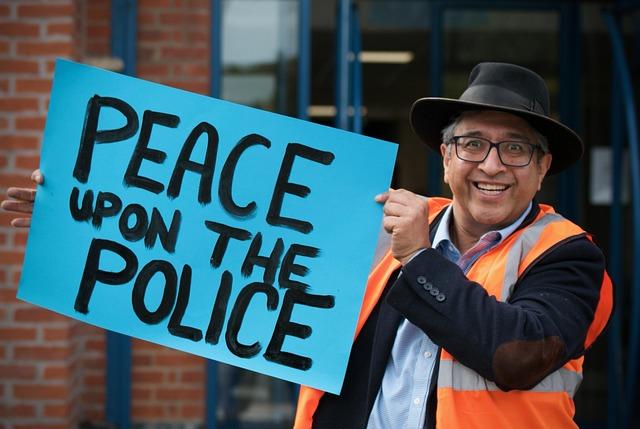
Last weekend, thousands of peace advocates converged in Dallas to protest the U.S. military’s capture of President Maduro. The crowd vocally opposed what they perceive as an illegal incursion into Venezuela’s autonomy, urging Washington to abandon militaristic approaches in favor of diplomatic engagement. Speakers at the event warned that such aggressive tactics risk destabilizing an already fragile region and called for nonviolent resolutions to Venezuela’s ongoing political crisis.
Primary calls to action from the rally included:
- Immediate release of all detained Venezuelan officials and respect for the nation’s sovereignty
- Lift economic sanctions that worsen humanitarian conditions
- Commitment from U.S. policymakers to prioritize dialogue over force
- Backing international mediation efforts aimed at peaceful conflict resolution
| Organization | Spokesperson | Core Message |
|---|---|---|
| Dallas Peace Alliance | Elena Martinez | “End the cycle of violence; embrace dialogue.” |
| Latin America Solidarity Collective | Javier Torres | “Uphold Venezuela’s right to self-governance.” |
| Human Rights Advocates Network | Leila Hassan | “Sanctions punish civilians, not leaders.” |
Experts and Community Voices Analyze the Diplomatic Fallout of Maduro’s Detention
International relations specialists and local community figures have gathered to evaluate the extensive repercussions of the U.S. operation against President Maduro. Analysts caution that this unilateral action could exacerbate geopolitical tensions, undermining existing diplomatic efforts and alliances throughout Latin America and beyond. A prominent scholar in global diplomacy remarked, “This intervention challenges established principles of sovereignty and international law, potentially setting a precarious precedent for future foreign engagements.” Community leaders also voiced concerns about the impact on humanitarian aid distribution and migration patterns, stressing the urgent need for diplomatic recalibration.
Public discussions and expert panels in Dallas highlighted several critical issues emerging from the incident:
- Disruption of multilateral diplomacy – weakening regional cooperation and collective negotiation frameworks.
- Security concerns – risk of intensified proxy conflicts and regional instability.
- Rise in public activism – increased grassroots opposition to interventionist policies.
| Stakeholder | Primary Concerns | Potential Consequences |
|---|---|---|
| Community Advocates | Social unrest, worsening humanitarian conditions | Heightened activism and demands for peaceful solutions |
| Diplomatic Officials | Breakdown of negotiation channels | Deterioration of international relations and isolation risks |
| Global Policy Experts | Legal ramifications, regional security threats | Altered global power balances and intervention norms |
Organizers Advocate for Nonviolent Dialogue and Reassessment of Interventionist Policies
Peaceful protests dominated the streets of Dallas as activists voiced their opposition to the capture of President Maduro. Organizers stressed the necessity of maintaining civil discourse and urged all stakeholders to pursue constructive conversations rather than escalating conflict through military means.
The movement underscored several pivotal concerns, including:
- Promotion of diplomatic avenues for resolving disputes
- Reevaluation of U.S. foreign policy approaches in Latin America
- Advocacy for human rights and national sovereignty free from external coercion
| Topic | Advocate Stance |
|---|---|
| Military Intervention | Rejected in favor of diplomatic engagement |
| Economic Sanctions | Calls for review and reduction |
| Human Rights | Emphasize protection without armed conflict |
Policy Recommendations: Emphasizing Diplomacy to Prevent Further Escalation
Given the heightened tensions following the U.S. detention of Venezuelan President Maduro, it is imperative for policymakers to reaffirm the primacy of diplomatic engagement over military escalation. Leveraging multilateral institutions such as the United Nations and the Organization of American States can foster peaceful dialogue and collective accountability, reducing the risks associated with unilateral actions. Focusing on diplomatic solutions is essential to mitigate humanitarian crises and maintain regional equilibrium.
Recommended strategies to de-escalate tensions include:
- Inclusive regional dialogue involving all relevant parties to address underlying conflict drivers.
- Confidence-building measures like ceasefires and humanitarian corridors to facilitate communication.
- Transparent communication channels between military and civilian leaders to avoid misunderstandings.
- Conditional easing of sanctions tied to verifiable progress in peace negotiations.
| Diplomatic Initiative | Anticipated Result |
|---|---|
| International mediation and dialogue platforms | Decreased tensions and enhanced mutual trust |
| Agreements on humanitarian aid delivery | Reduced civilian suffering and improved access |
| Phased relaxation of targeted sanctions | Stronger incentives for peaceful negotiations |
Conclusion: Navigating the Complexities of U.S. Intervention and Regional Stability
As the fallout from the U.S. capture of Venezuelan President Nicolás Maduro continues to unfold, anti-war activists in Dallas remain steadfast in their opposition, highlighting the contentious nature of American foreign policy in Latin America. These protests underscore widespread apprehension about military interventions and their far-reaching consequences on both regional and global scales. With the situation evolving rapidly, communities nationwide are closely monitoring developments, weighing the delicate balance between safeguarding national security and championing diplomatic resolutions.