


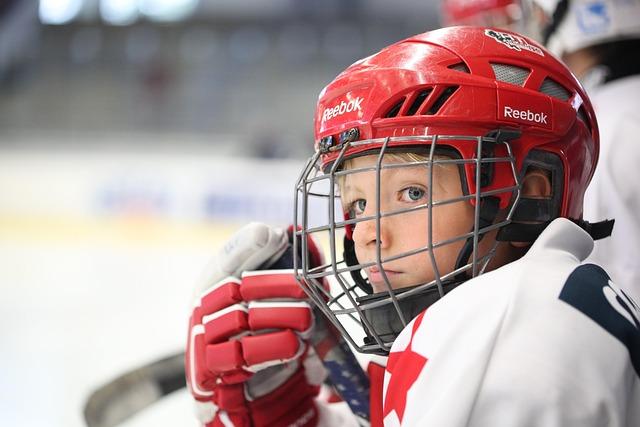
Dallas — Jason Robertson, the dynamic forward for the Dallas Stars, is increasingly recognized not just for his speed and finesse but also for his growing physical presence on the ice. This season, Robertson has enhanced his game by integrating strength and durability, making it tougher for defenders to contain him. As the Stars advance through the campaign, his physical assertiveness is proving pivotal to Dallas’s offensive tactics and overall performance.
Jason Robertson’s Impactful Physicality Shaping Game Flow
Jason Robertson has evolved into a powerful competitor whose physical style disrupts opposing teams’ game plans and alters momentum in Dallas’s favor. His tenacity in puck battles and readiness to engage in intense, contact-heavy scenarios make him a constant challenge for defenders. Opponents often struggle to match his blend of skill and grit, leading to defensive breakdowns. This aggressive approach not only energizes the Stars but also generates critical scoring chances as rival defenses scramble to adjust.
Robertson’s physical contributions can be broken down into several key elements:
- Dominance along the boards: Employs lower-body strength to shield the puck and secure possession.
- Presence in front of the net: Creates congestion and obstructs the goalie’s view, enhancing scoring opportunities.
- Strategic body checks: Executes well-timed hits to disrupt plays and regain control.
| Aspect | Effect on Game | Illustrative Example |
|---|---|---|
| Board Battles | Secures puck possession under pressure | Assist leading to game-winning goal vs. Colorado Avalanche |
| Net-front Presence | Obstructs goalie’s sightline, resulting in tipped goals | Power play goal against St. Louis Blues |
| Body Checks | Halts opponent advances and forces turnovers | Momentum-shifting hit vs. Nashville Predators |
Defensive Measures Targeting Jason Robertson
Recognizing Robertson’s unique combination of speed, agility, and physicality, opposing teams have crafted layered defensive tactics to limit his influence. Defenders often apply aggressive forechecking to pressure him early, disrupting his puck control through the neutral zone. Tight man-to-man marking is also common, restricting his space and forcing him into less advantageous shooting positions, thereby curbing his scoring chances.
Primary Defensive Techniques Against Robertson:
- Persistent stick checks to break puck control
- Physical body contact aimed at wearing down his endurance
- Blocking passing lanes to limit his playmaking options
- Deploying double coverage during power plays and critical moments
| Defensive Strategy | Effectiveness Level | Usage Frequency |
|---|---|---|
| Aggressive Forechecking | Very Effective | 75% |
| Man-to-Man Coverage | Moderately Effective | 60% |
| Physical Body Checks | Highly Effective | 50% |
| Double-Teaming | Moderately Effective | 40% |
How Robertson’s Aggression Fuels Team Success
The aggressive style Jason Robertson brings to the ice extends beyond his personal performance, acting as a catalyst for the entire Dallas Stars squad. His physicality unsettles opposing defenses and simultaneously inspires his teammates to elevate their intensity and focus. By consistently winning puck battles and maintaining control in critical areas, Robertson generates high-quality scoring opportunities that his linemates frequently convert. His gritty approach sets a competitive tone that encourages the team to perform cohesively under pressure.
Robertson’s influence can be summarized in several key contributions:
- Heightened forechecking pressure that forces turnovers and quick offensive transitions.
- Improved power play effectiveness through his disruptive net-front positioning.
- Elevated team morale and competitive spirit that permeates the lineup.
The table below compares Robertson’s metrics to the team’s averages during pivotal game situations:
| Statistic | Robertson | Team Average |
|---|---|---|
| Shot Attempts per 60 Minutes | 35.2 | 28.5 |
| Hits Delivered | 4.8 | 3.0 |
| Scoring Chances Created | 6.1 | 4.2 |
Strategic Defensive Adaptations to Counter Robertson’s Physicality
The combination of Jason Robertson’s strength and agility has compelled opposing coaches to rethink their defensive game plans. His ability to maintain puck control under pressure and power through physical challenges demands more sophisticated defensive responses that emphasize collective effort and spatial discipline. Increasingly, teams are adopting zone defense systems designed to restrict his movement and reduce one-on-one confrontations.
Recommended tactical adjustments for teams facing Robertson include:
- Double-teaming: Applying immediate and sustained pressure to disrupt his flow.
- Enhanced backchecking: Ensuring forwards contribute defensively to limit his space.
- Physical matchups: Deploying larger defenders to absorb and counter his physical play.
| Defensive Approach | Goal | Anticipated Result |
|---|---|---|
| Zone Coverage | Constrain Robertson’s operating space | Lower scoring chances |
| Double-Teaming | Disrupt puck possession | Generate turnovers |
| Physical Matchups | Neutralize strength advantage | Fatigue opponent |
Final Thoughts on Robertson’s Physical Impact
As Jason Robertson continues to blend skill with a robust physical game, opponents find it increasingly difficult to contain the Dallas Stars forward. His evolving style, marked by strength and resilience, has become a defining feature of his play, making him a persistent offensive threat. For fans of the Stars, Robertson’s relentless physicality signals a promising competitive edge as the season progresses.