



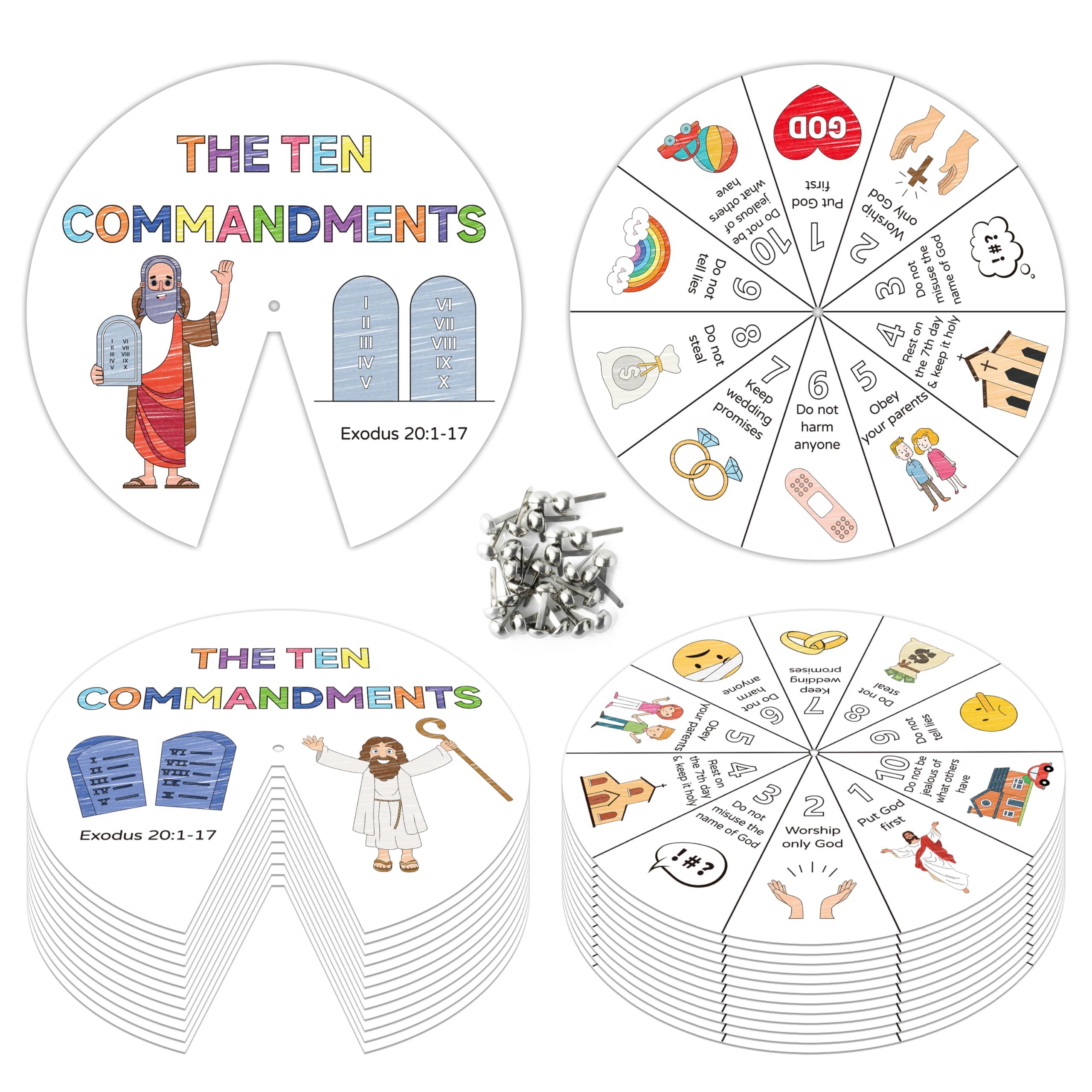
Reintegrating Religious Teachings in Public Schools: The Trump Era and Its Educational Implications
Trump’s Influence on the Revival of Religious Instruction in Public Education
Throughout Donald Trump’s tenure as president, there was a marked resurgence in efforts to weave religious principles, particularly those derived from the Ten Commandments, into the fabric of public school education across the United States. This initiative, largely propelled by Trump and his conservative supporters, aimed to reestablish what they consider the moral and historical underpinnings of American society within school curricula. Proponents maintain that such inclusion reinforces ethical standards vital to the nation’s identity, whereas opponents caution against compromising the constitutional boundary separating religion from government-run education.
Key approaches utilized to embed religious content in schools included:
- Legislative advocacy promoting the use of religious texts as educational materials.
- Financial incentives directed at institutions adopting faith-oriented programs.
- Regulatory adjustments that relaxed limitations on religious expression within public education settings.
| Year | Policy Action | Effect |
|---|---|---|
| 2017 | Expanded Religious Freedom Executive Order | Broadened permissible religious activities in public schools |
| 2018 | Promotion of Bible Literacy Electives | Growth in schools offering Bible-related courses |
| 2019 | Support for Faith-Based Charter Schools | Increased enrollment in religiously affiliated educational institutions |
Legal Disputes and Public Debate Over the Ten Commandments in Schools
The initiative to reintroduce the Ten Commandments into public school curricula has sparked intense controversy nationwide. Critics argue that such measures infringe upon the Establishment Clause of the First Amendment, which forbids government endorsement of religion. Numerous legal challenges have emerged, contesting the presence of religious symbols and texts in classrooms on the grounds that they alienate students from diverse religious backgrounds and those without religious affiliations. Central to these disputes is whether the Ten Commandments can be taught as part of cultural heritage or if their inclusion amounts to unconstitutional religious indoctrination.
- Judicial Precedents: Landmark Supreme Court decisions, such as Stone v. Graham (1980), have invalidated mandatory displays of the Ten Commandments in public education settings.
- Community Resistance: Civil liberties organizations and educational bodies frequently oppose these efforts, advocating for inclusivity and strict church-state separation.
- Proponents’ Viewpoint: Supporters, including Trump and his political allies, contend that the Ten Commandments represent universal ethical principles rather than solely religious mandates.
| Recent Court Cases | Judicial Outcome |
|---|---|
| Kentucky School District’s Ten Commandments Display | Declared unconstitutional by federal judiciary |
| Texas Legislation on Religious Education | Under active judicial examination |
| Florida’s Religious Curriculum Amendments | Passed amid ongoing state constitutional challenges |
Effects on Diversity and Secularism in Educational Environments
The integration of religious teachings, especially those centered on the Ten Commandments, into public school programs raises significant questions about inclusivity and respect for the diverse beliefs of students. Public schools are environments where multiple cultures and faiths converge, and prioritizing a single religious narrative risks alienating students from minority religions or secular backgrounds. This trend could undermine efforts to foster an equitable atmosphere that honors all identities equally. Advocates for secular education caution that such policies may exacerbate social divides and implicitly elevate certain religious traditions over others.
Possible Consequences for Classroom Atmosphere:
- Heightened exclusion of students from minority faiths or non-religious backgrounds
- Complications in preserving a neutral and balanced educational setting
- Increased legal scrutiny regarding church-state separation
- Added challenges for educators managing religious diversity sensitively
| Dimension | Prior to Religious Integration | Following Proposed Changes |
|---|---|---|
| Religious Representation | Eclectic and impartial | Predominantly Judeo-Christian emphasis |
| Inclusivity of Students | Broadly multicultural | Potentially restrictive |
| Legal Oversight | Limited | Intensified and ongoing |
Guidance for Educators: Balancing Religious Content with Inclusivity
Teachers and school administrators navigating the growing emphasis on religious education must carefully uphold constitutional mandates while fostering an inclusive classroom environment. Effective strategies involve acknowledging all belief systems with respect and presenting religious content through an objective, educational lens. Incorporating religious teachings within broader cultural, historical, and ethical discussions allows students to develop critical thinking skills and cultural awareness without feeling coerced or excluded.
To maintain inclusivity, educators can implement the following approaches:
- Contextual Curriculum Design: Frame religious topics within comparative studies and secular viewpoints.
- Encouraging Open Dialogue: Facilitate respectful conversations that honor diverse perspectives.
- Neutral Terminology: Use language that neither promotes nor disparages any faith tradition.
- Diverse Educational Materials: Incorporate resources representing multiple religions alongside secular philosophies.
- Continuous Professional Development: Engage in training focused on religious literacy and constitutional compliance.
| Challenge | Recommended Strategy | Expected Result |
|---|---|---|
| Community Resistance | Organize inclusive community forums | Enhanced trust and transparency |
| Legal Constraints | Seek counsel from legal experts | Ensured adherence to legal standards |
| Student Discomfort | Implement anonymous feedback mechanisms | Respectful acknowledgment of student concerns |
Conclusion: Navigating the Intersection of Faith and Public Education
The ongoing debate over incorporating the Ten Commandments and religious teachings into public school curricula, championed by former President Trump and his supporters, underscores a pivotal cultural and political clash within American education. While advocates view this as a necessary reaffirmation of traditional values, opponents warn of constitutional conflicts and the risk of alienating diverse student populations. As this contentious issue evolves, public schools remain a critical battleground where differing perspectives on religion, history, and education converge, shaping the future of American classrooms.